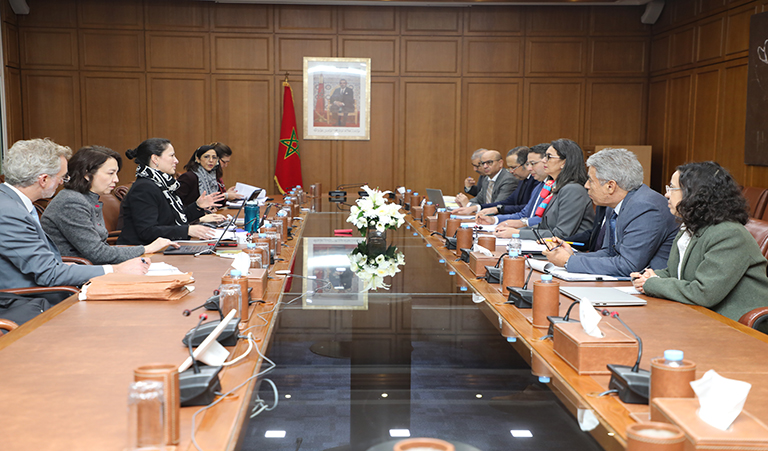
Between January 29 and February 11, 2026, a high-level delegation from the International Monetary Fund, spearheaded by Mission Chief Laura Jaramillo, engaged in a series of rigorous consultations with the Moroccan authorities. These discussions, conducted under the auspices of Article IV of the IMF’s Articles of Agreement, represent a pivotal component of the Fund’s surveillance mandate, providing a comprehensive diagnostic of the Kingdom’s macroeconomic health and its long-term fiscal trajectory. For global investors and institutional stakeholders, these annual reviews serve as a critical barometer for assessing sovereign risk and the efficacy of domestic policy frameworks in an increasingly volatile global economic landscape.
The 2026 mission arrives at a transformative juncture for Morocco, as the nation continues to navigate the complexities of structural reform while maintaining fiscal discipline. The Article IV process involves a granular examination of the country’s balance of payments, exchange rate stability, and the robustness of its financial sector. By facilitating a direct dialogue between IMF staff and senior Moroccan policymakers, the mission seeks to evaluate the alignment of current monetary and fiscal strategies with the broader goals of sustainable, inclusive growth. Such engagements are instrumental in validating the credibility of Morocco’s economic agenda, particularly as the government seeks to optimize its social protection programs while simultaneously managing a prudent path toward debt sustainability.
Beyond the immediate fiscal metrics, the consultations typically delve into the structural underpinnings of the Moroccan economy, including the ongoing transition toward a more diversified and green-oriented industrial base. The IMF’s technical assessment provides essential clarity on the challenges posed by exogenous shocks, such as fluctuating commodity prices and climate-related vulnerabilities, which remain central to the Kingdom’s risk management strategy. By focusing on these long-term drivers, the mission assists in identifying the necessary policy levers required to stimulate private sector investment and enhance the resilience of the domestic labor market.
The conclusion of this mission marks the commencement of a reporting cycle that will culminate in a formal staff report submitted to the IMF Executive Board. This document will eventually offer a definitive roadmap of policy recommendations and economic projections that will influence Morocco’s standing in international capital markets. As the authorities in Rabat continue to pursue an ambitious modernization agenda, the insights garnered from Ms. Jaramillo’s team provide a vital feedback loop, reinforcing the institutional transparency and reform momentum that have historically characterized Morocco’s relationship with the international financial community. For the educated observer, the results of this consultation represent more than a mere administrative milestone; they are a testament to the Kingdom’s ongoing commitment to macroeconomic stability and its strategic positioning as a regional economic leader.
Finance
12/02/2026