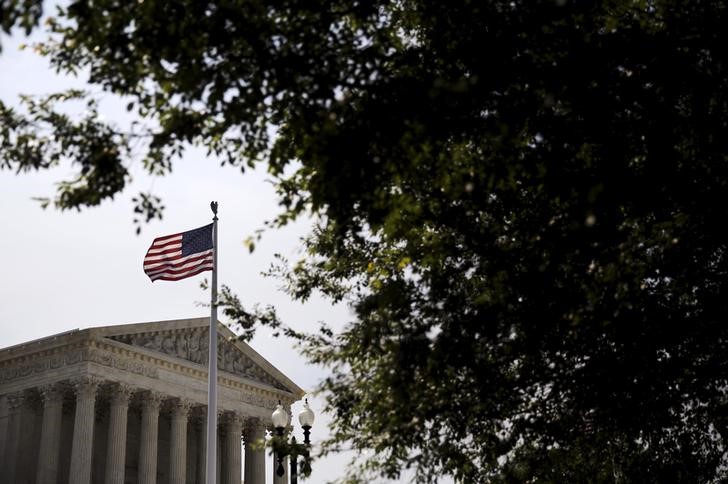
In a landmark jurisprudential shift that has sent ripples through global capital markets, the U.S. Supreme Court on Friday delivered a decisive blow to the administration’s trade architecture. In a 6-3 opinion, the nation’s highest court ruled that President Donald Trump exceeded his executive mandate by utilizing the International Emergency Economic Powers Act (IEEPA) of 1977 to implement sweeping reciprocal tariffs last year. This long-awaited decision effectively deems the unauthorized use of emergency statutes for broad trade protectionism as a breach of statutory limits, fundamentally altering the legal landscape for American trade policy. While the ruling provides a momentary reprieve for U.S. importers who have been burdened by billions of dollars in monthly levies, it has simultaneously introduced a new layer of complexity regarding the potential refund of an estimated $133 billion in previously collected duties—a matter the court has yet to resolve.
The executive response was characterized by immediate defiance and strategic recalibration. President Trump condemned the decision as a "disgrace to our nation," suggesting the judiciary had been compromised by foreign interests. Despite the judicial setback, the administration signaled its intent to maintain its protectionist stance through alternative legal channels, promptly announcing a new 10% global levy while asserting that existing tariffs would be salvaged under different statutes. This swift pivot suggests that while the "emergency" legal pathway has been obstructed, the administration’s broader trade agenda remains intact, albeit in a more fragmented form. Analysts suggest this transition will likely result in a significant realignment of tariffs across various product categories, creating a volatile environment of winners and losers as the Treasury and Commerce Departments scramble to find new legal footing.
Financial markets reacted to the news with a nuanced optimism, as the S&P 500 snapped a two-week losing streak to end the session higher. The ruling appears to have served as a vital catalyst for an equity market that had been confined to a narrow trading range throughout early 2026. While the immediate price action in benchmark exchange-traded funds suggests investor relief, commodity markets told a more complex story. Gold and silver prices surged, driven not only by the tariff ruling but also by disappointing domestic economic data. This flight to safety was further underscored by geopolitical anxieties, as analysts at Raymond James warned that a U.S. military operation in Iran appears increasingly likely at this stage, adding a layer of systemic risk to an already fragile global outlook.
The broader economic implications of the ruling are expected to manifest most prominently in the retail and manufacturing sectors. Forecasts from industry analysts have been revised upward, with total retail sales now projected to reach $7.78 trillion this year—a $13 billion increase from previous estimates. This anticipated tailwind is expected to be concentrated in import-heavy discretionary categories, such as consumer electronics, apparel, and home furnishings, where pricing pressures have been most acute since the "Liberation Day" policy shifts. However, the relief may be tempered by a persistent "headwind to capex," as the persistent uncertainty surrounding trade policy continues to weigh on non-technology capital expenditures.
From a monetary policy perspective, the SCOTUS decision may inadvertently provide the Federal Reserve with the data points necessary to accelerate a pivot toward interest rate cuts. By cooling the inflationary expectations tethered to high import costs, the ruling removes a significant obstacle for central bankers. While some strategists advise caution, suggesting that the administration's pivot to alternative legal grounds may limit the duration of this "tariff holiday," the prevailing sentiment among wealth managers is one of adaptation. As the market adjusts to this "new normal," the focus shifts to whether the cooling of trade friction can sufficiently offset the fiscal deficits and geopolitical tensions that continue to loom over the 2026 economic horizon.