The United States trade landscape underwent a seismic shift on Friday as the Trump administration pivotally recalibrated its protectionist agenda in the immediate wake of a landmark judicial setback. Following a Supreme Court ruling that dismantled sweeping tariffs ranging from 10% to 50%—previously enacted under the International Emergency Economic Powers Act—President Trump responded by imposing a new 10% global levy. This rapid executive move signals a determined effort to maintain a high-tariff environment despite the judiciary’s intervention, effectively replacing the invalidated broad-spectrum duties with a more uniform across-the-board measure.
Financial markets reacted with a mixture of volatility and cautious optimism as investors processed the implications of this legislative and executive tug-of-war. Precious metals saw a significant influx of capital, with gold and silver prices surging as market participants sought safe-haven assets amidst disappointing economic indicators and the uncertainty surrounding the high court's decision. Conversely, the equity markets demonstrated surprising resilience. The S&P 500 managed to snap a grueling two-week losing streak, ending the session higher as the SCOTUS ruling provided at least a temporary reprieve from the most aggressive tariff tiers, even as the new 10% global levy loomed.
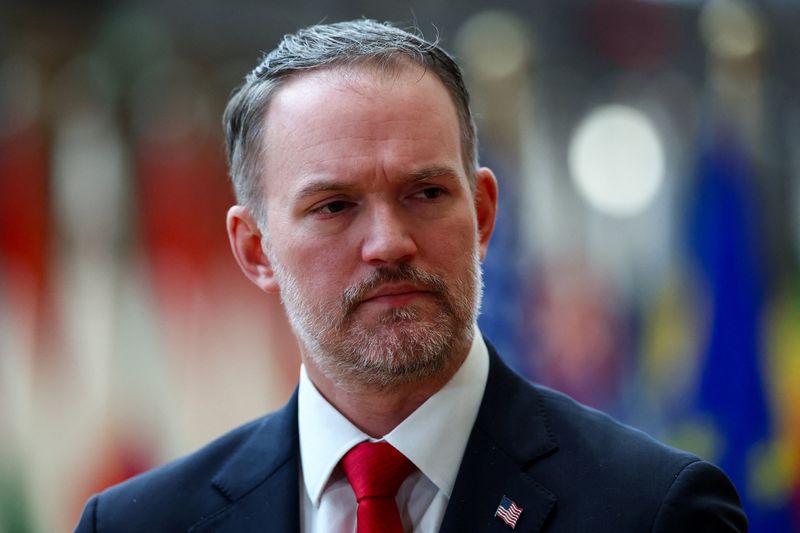
In Washington, U.S. Trade Representative Jamieson Greer sought to project a sense of continuity and strategic dominance, asserting that the administration remains confident that all existing trade agreements negotiated by President Trump will remain fully operational despite the legal overturning of the prior tariff structure. To fortify the administration's position, Greer announced that his office would initiate a series of expansive new investigations under Section 301 of the Trade Act of 1974. These probes are expected to target a broad swath of major trading partners, focusing on contentious issues such as pharmaceutical product pricing, industrial excess capacity, and the systemic use of forced labor. Furthermore, the USTR intends to scrutinize discriminatory practices against American technology firms and digital goods, suggesting that the administration is shifting its tactical focus from broad executive emergencies to specific statutory trade investigations.
The complexity of the current economic moment is further intensified by escalating geopolitical risks in the Middle East. Analysts at Raymond James issued a sobering note on Friday, characterizing a U.S. military operation in Iran as likely at this stage. This convergence of aggressive trade litigation, a restructured global levy, and the looming potential for kinetic military involvement creates a high-stakes environment for global investors. As the administration transitions its trade policy from the broad application of emergency powers to more targeted Section 301 investigations, the institutional framework of American commerce faces a period of profound redefinition that will undoubtedly test the durability of international supply chains and diplomatic relations in the months ahead.