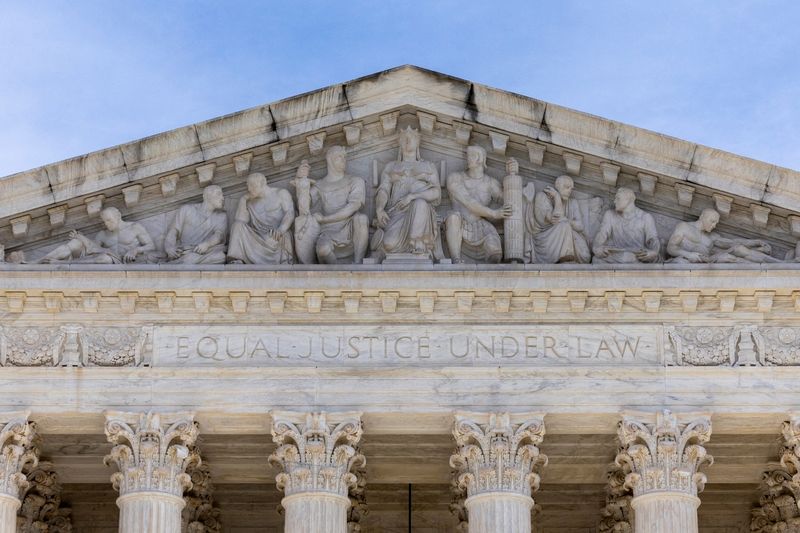
The constitutional architecture of the United States is currently facing a profound stress test as the Supreme Court adjudicates a sweeping array of challenges to the Trump administration’s second-term agenda. This judicial tug-of-war reached a fever pitch on February 20, 2025, when the High Court issued a landmark 6-3 ruling striking down the administration’s expansive tariff regime. The justices determined that the White House had exceeded its statutory authority under the International Emergency Economic Powers Act of 1977, reaffirming that the U.S. Constitution vests the power to levy taxes and tariffs solely within the legislative branch. While the S&P 500 snapped a two-week losing streak following the ruling, the administration’s immediate pivot to a new 10% global levy signaled a persistent commitment to protectionist trade policies. This volatility has driven investors toward safe-haven assets, with gold and silver surging amid disappointing economic data and heightened geopolitical tensions, including recent Raymond James analysis suggesting a U.S. military operation in Iran is increasingly likely.
Beyond trade, the court is currently grappling with the fundamental independence of the administrative state, most notably regarding the Federal Reserve. The justices have signaled significant skepticism toward the President’s unprecedented attempt to terminate Federal Reserve Governor Lisa Cook. While the administration alleges past misconduct, Cook contends the move is a pretextual strike against her monetary policy stance. The outcome of this case, expected by June, will define the "for cause" removal protections that have long shielded the central bank from political interference. Simultaneously, however, the court’s conservative majority appears more receptive to expanding executive removal power in other spheres. Arguments heard regarding the dismissal of Federal Trade Commission member Rebecca Slaughter and officials within the Consumer Product Safety Commission suggest a willingness to overturn nearly a century of legal precedent to bolster the "unitary executive" theory, effectively centralizing control over independent regulatory bodies.
The administration’s hardline immigration and social policies have created a secondary front of legal volatility. On April 1, the court is set to hear arguments on a directive to restrict birthright citizenship, a move that would fundamentally reorder the 19th-century understanding of the 14th Amendment. While lower courts have blocked this executive order, the Supreme Court has elsewhere shown a propensity to side with the administration’s enforcement priorities. The justices have permitted the resumption of racial-profile-based raids in California and cleared the way for the revocation of Temporary Protected Status and "parole" for hundreds of thousands of migrants from Venezuela, Cuba, and Haiti. These rulings, combined with the court’s decision to allow a ban on transgender individuals in the military and the restriction of gender-identity designations on passports, reflect a judicial environment increasingly permissive of executive discretion in matters of national security and social regulation.
Finally, the very structure of the federal bureaucracy is at stake as the administration pursues the wholesale dismantling of the Department of Education and the implementation of mass layoffs across nearly two dozen agencies. On July 8, 2025, the court cleared the way for these "reductions in force," lifting lower court injunctions that had categorized the layoffs as an abuse of presidential authority. This deconstruction of the civil service is being coordinated alongside the Department of Government Efficiency (DOGE), which recently secured a judicial victory allowing broad access to Social Security Administration data while shielding its own internal operations from transparency requirements. As the court moves toward the end of its term, its rulings continue to oscillate between checking executive overreach in fiscal matters and facilitating a historic consolidation of power within the West Wing, leaving the business community and legal scholars alike to navigate a rapidly shifting constitutional landscape.