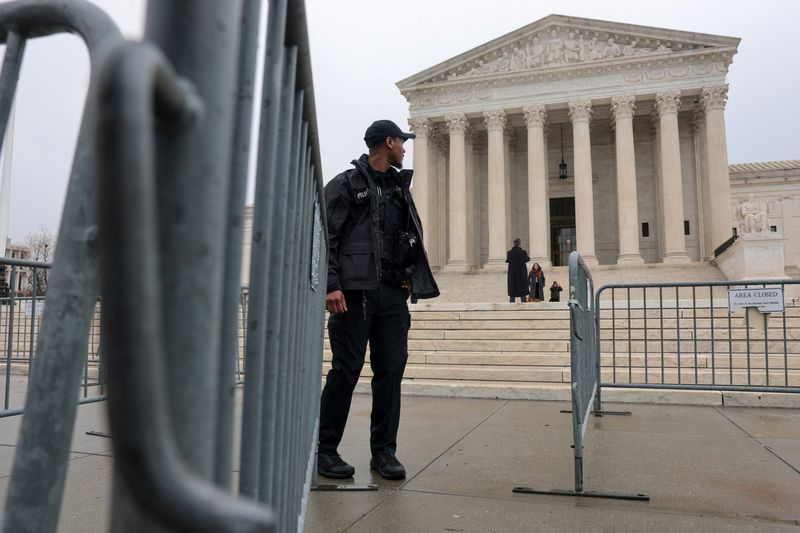
The American financial landscape underwent a seismic shift on Friday as the U.S. Supreme Court delivered a landmark rebuke to the administration’s trade policy, striking down President Trump’s sweeping emergency tariffs. This judicial intervention sparked an immediate and complex recalibration across global asset classes. While the S&P 500 managed to snap a two-week losing streak to close higher, the broader market sentiment remained clouded by a cocktail of disappointing economic data and intensifying geopolitical friction. Safe-haven assets saw a pronounced surge, with gold and silver prices jumping as investors processed a somber assessment from Raymond James suggesting that a U.S. military operation in Iran has become likely at this stage.
While the court’s decision represents a significant check on executive overreach, the White House responded with characteristic defiance, immediately announcing a new 10% global levy. This persistent volatility has left importers in a state of precarious limbo, caught between a judicial victory and a fresh protectionist pivot. For the myriad of companies that have struggled under the weight of these duties, the central focus has shifted from the legality of the tariffs to the mechanics of restitution. The Supreme Court notably left the specific process for issuing refunds to the discretion of lower courts, a move that legal experts suggest will lead to a protracted and costly procedural odyssey.
This vacuum of certainty has catalyzed a sophisticated secondary market where corporations are increasingly offloading their potential refund claims to institutional investors. By selling these claims to hedge funds for an upfront payment, companies are effectively hedging their bets against a slow-moving judicial system. For instance, the Atlanta-based toymaker Kids2, which imports the vast majority of its products from China, secured $2 million from a Boston-based hedge fund in exchange for a $15 million claim against tariffs already paid. This "cost-recovery action" provides immediate liquidity while shifting the risk of non-payment to investors who specialize in distressed or contingent assets.
This monetization of litigation risk represents a maturing niche in high-finance engineering, reminiscent of the "Bowie Bonds" of the 1990s or the market for structured lawsuit settlements. Legal analysts from firms like Orrick note that while the SCOTUS ruling increases the likelihood of eventual payouts, the timeline remains obscured by President Trump’s vow to find alternative collection methods. Nevertheless, the ruling is expected to drive up the valuation of these claims as more importers seek to transform their legal grievances into working capital. For executives in high-volume industries, such as Jay Foreman of Basic Fun, the prospect of selling these claims offers a strategic opportunity to reinvest in operations and potentially lower consumer prices, provided the discount fees remain reasonable in an increasingly crowded market.