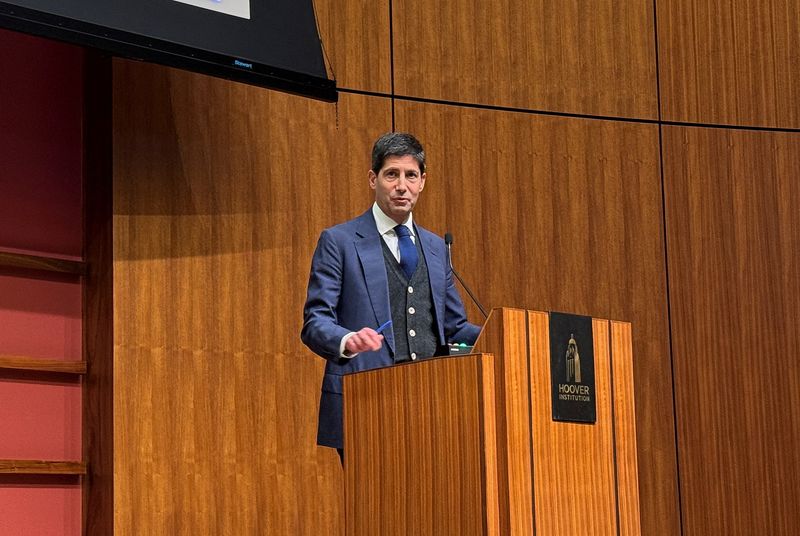
The nomination of Kevin Warsh to lead the Federal Reserve marks a watershed moment in the intersection of American political ambition and global monetary policy. President Donald Trump’s selection of the former Fed Governor and Morgan Stanley executive signals a definitive intent to overhaul the central bank’s internal culture and philosophical orientation. The announcement comes at a sensitive juncture for the markets; while Wall Street concluded January with respectable gains, the immediate reaction to the transition news saw a softening in equities and a notable unwinding of the recent rally in precious metals. Warsh, who served on the Board of Governors from 2006 to 2011, brings a rare combination of elite financial pedigree and personal loyalty to the President, positioning him as the primary architect for what the administration describes as a necessary "regime change" at the world’s most powerful financial institution.
However, the chasm between campaign rhetoric and the mechanical realities of monetary policy remains vast. While the President has frequently advocated for aggressive interest rate reductions toward crisis-level lows of one percent, Warsh’s own record suggests a more nuanced, and perhaps hawkish, disposition. During his previous tenure, Warsh was a vocal skeptic of the unconventional monetary expansions that defined the post-2008 era, ultimately resigning in part due to his reservations regarding the long-term inflationary risks of quantitative easing. This historical stance may create friction with a White House seeking rapid stimulus, particularly as current market futures price in a far more conservative path of only two quarter-point cuts through 2026. Furthermore, any radical departure from the current data-dependent trajectory would require the consensus of eighteen other policymakers, many of whom remain committed to the Fed’s traditional independence and current inflation-targeting framework.
Beyond the immediate debate over borrowing costs, Warsh’s leadership is expected to focus on the Fed’s broader "institutional drift." In alignment with Treasury Secretary Scott Bessent, Warsh has long critiqued the expansion of the Fed’s remit into social and environmental spheres. A Warsh-led Fed would likely see a retrenchment from climate change consortia and diversity initiatives, alongside a significant overhaul of how the central bank communicates with the public. By streamlining the often-contradictory "Fedspeak" emanating from regional bank presidents, Warsh aims to assert greater centralized control over the narrative. Yet, as outgoing Atlanta Fed President Raphael Bostic recently cautioned, the Fed’s massive balance sheet is now fundamentally interwoven with global liquidity and bank reserves. Shrinking this footprint without triggering a systemic liquidity crunch will require more than ideological fervor; it will require a sophisticated understanding of the complex financial plumbing that Warsh is now tasked with managing. As the confirmation process looms, the investor community remains focused on whether Warsh the pragmatist or Warsh the reformer will ultimately take the helm.