As global markets navigate the closing of a robust January for Wall Street, a complex tapestry of monetary shifts and technological evolution is beginning to redefine investor sentiment. The nomination of Kevin Warsh as the next Federal Reserve Chairman by the Trump administration serves as a primary catalyst for this transition. Warsh’s prospective leadership arrives at a critical juncture where the narrative surrounding artificial intelligence is pivoting from foundational model development toward the granular realities of power infrastructure and inference economics. Sophisticated investors are increasingly focusing on these operational costs as the primary drivers of the next technological cycle, even as equity markets experience localized volatility and a notable unwinding of the precious metals trade.
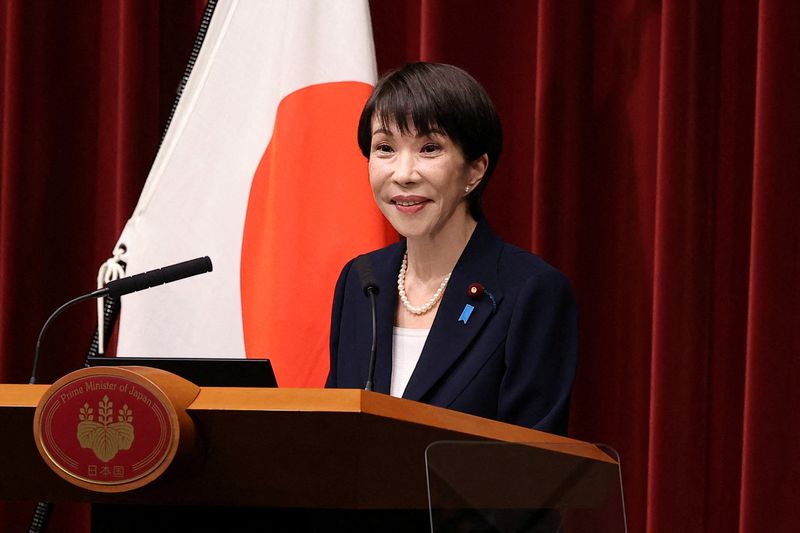
In Tokyo, the geopolitical and economic stakes are equally high, characterized by a stark divergence in policy rhetoric ahead of the high-stakes snap election scheduled for February 8. Prime Minister Sanae Takaichi has adopted a conspicuously contrarian stance regarding the Japanese yen’s persistent weakness, a position that stands in sharp relief against the interventionist posture of her own Finance Ministry. While Finance Minister Satsuki Katayama has repeatedly signaled a readiness to curb the currency’s slide to 18-month lows to combat imported inflation, Takaichi maintains that the depreciated yen provides a vital structural buffer for Japan’s export-oriented sectors. She argues that this currency environment has mitigated the adverse effects of foreign tariffs for the automotive and food industries, offering a degree of resilience that her administration aims to solidify through boosted domestic investment.
This internal friction occurs against a backdrop of heightened market anxiety, evidenced by Japanese government bond yields surging to record highs. Such movements are a clear manifestation of investor concern regarding the nation’s strained fiscal health and the long-term sustainability of its debt profile. The yen’s volatility has already prompted sophisticated defensive maneuvers from central authorities; the currency spiked on three distinct occasions following reports that the New York Federal Reserve joined Japanese officials in conducting "rate checks" with major banks. This collaborative inquiry is a tactical signal that authorities are prepared to intervene should the currency’s decline become disorderly. As Takaichi seeks a mandate for her reflationary agenda, the tension between export-driven growth and the inflationary pressures felt by the domestic electorate remains the central pivot for Asian capital markets.