The global financial landscape is currently navigating a period of significant recalibration, punctuated by the nomination of Kevin Warsh as the next Chairman of the Federal Reserve. This appointment by President-elect Trump signals a potential shift in monetary philosophy that has already begun to resonate across asset classes. While Wall Street logged gains for January, the broader market recently experienced a cooling period as the rally in precious metals unwound and equities faced downward pressure. Investors are now closely monitoring how a Warsh-led Fed might influence the cost of capital, particularly as the next phase of the artificial intelligence revolution begins to prioritize power availability and the underlying economics of inference over mere generative capabilities.
Within this macro-economic environment, the online travel sector is preparing for a transformative 2026, defined by a confluence of structural technological evolution and a recovery in cyclical demand. According to a thematic outlook from Bank of America, the industry is moving beyond the traditional "search-and-click" model toward a paradigm shift described as Search 2.0. At the heart of this transition is the emergence of agentic AI—tools capable of autonomously planning and executing end-to-end travel bookings. This development poses a dual threat and opportunity; while it promises to revolutionize consumer engagement, it also raises the specter of disintermediation for platforms that fail to secure direct traffic through proprietary supply, robust loyalty programs, and superior brand strength.
Cyclically, the travel industry is expected to encounter a more favorable demand environment in the first half of 2026, benefiting from easier year-over-year comparisons following a relatively muted start to 2025. A notable catalyst for this growth is the FIFA World Cup, which analysts estimate will contribute a 1% uplift to total bookings, with the most significant impact felt in lodging demand within host cities. However, these projections remain sensitive to the evolving geopolitical climate, where potential changes in tariff structures and visa policies could disrupt international travel flows and moderate the anticipated recovery.
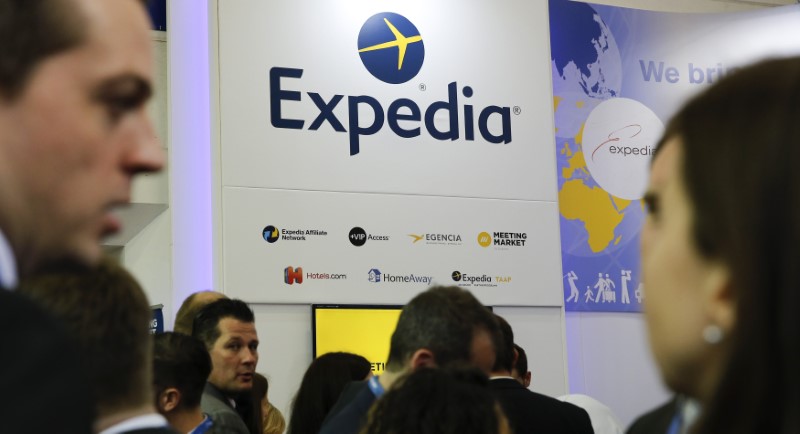
Amidst these shifts, the competitive dynamics among major platforms like Booking Holdings, Expedia Group, and Airbnb are intensifying as they expand their respective ecosystems. Booking continues to consolidate its lead through its "connected trip" initiative, while Expedia is aggressively scaling its global B2B operations via its Rapid API platform. This B2B segment has emerged as a critical growth engine, currently outpacing consumer-facing bookings as agencies invest heavily in partner distribution and connectivity tools. Meanwhile, Airbnb is expected to broaden its horizons by incorporating hotel inventory and potentially launching a loyalty program to defend its market share against increasingly diversified competitors.
Financial discipline remains a core focus for these entities as they optimize marketing expenditures. By shifting spend toward high-performance social channels and merchandising, firms are finding new levers for margin expansion. Bank of America maintains Buy ratings on both Booking and Expedia, citing their successful AI integration and operational efficiencies. Airbnb, however, retains a Neutral rating, reflecting its unique exposure to a rapidly evolving competitive landscape. Ultimately, the winners in the 2026 travel market will be those who successfully bridge the gap between sophisticated AI utility and the cyclical realities of a complex global economy.