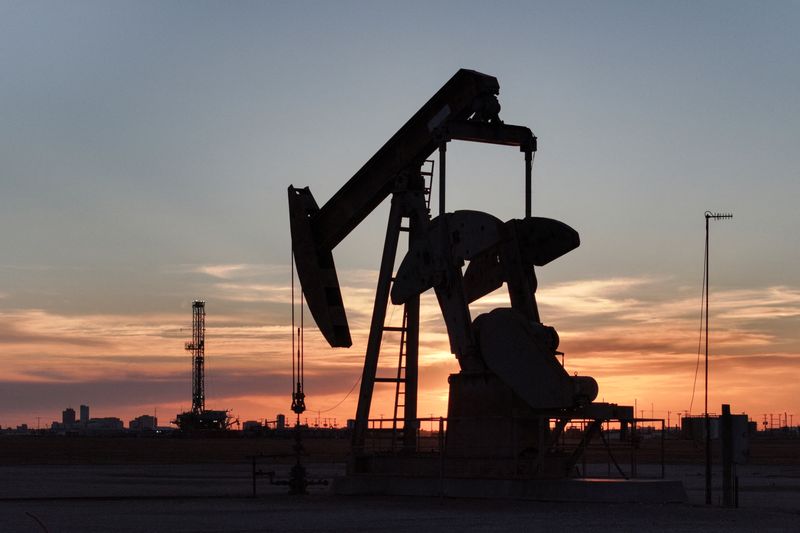
Global energy markets are currently navigating a complex intersection of climate-induced supply shocks and escalating geopolitical tensions, driving a cautious yet perceptible upward trend in crude valuations. During Tuesday’s trading session, Brent crude futures advanced to $65.82 a barrel, while West Texas Intermediate followed a similar trajectory to reach $60.92. This bullish momentum is primarily fueled by a catastrophic winter storm sweeping across the United States, an event that has exposed the fragility of the nation’s energy infrastructure. Market analysts estimate that the extreme freeze has sidelined approximately 2 million barrels per day of production—representing roughly 15% of total domestic output—while simultaneously paralyzing critical refining capacity along the U.S. Gulf Coast.
The domestic supply crunch is expected to have a lingering impact on inventory levels, with industry experts suggesting that the strain on power grids and processing facilities will lead to significant stock drawdowns in the coming weeks. Tamas Varga of PVM notes that if these sub-zero temperatures persist, the resulting inventory depletion will likely provide a sustained tailwind for prices. However, the upward trajectory of the market has been partially tempered by a recovery in international supply chains. Kazakhstan has signaled a resumption of output from its primary oilfields, complemented by the Caspian Pipeline Consortium returning to full loading capacity at its Black Sea terminal. These logistical improvements, alongside strategic profit-taking in the heating oil sector, have acted as a necessary counterbalance to the volatility induced by the American weather crisis.
Beyond the immediate disruptions of the natural environment, a recalibration of geopolitical risk is providing additional support to the commodity complex. The deployment of a U.S. aircraft carrier and supporting naval assets to the Middle East has signaled an intensification of the defensive posture against Iran, reintroducing a risk premium that many traders had begun to discount. This heightened friction in the Persian Gulf ensures that supply-side anxieties remain at the forefront of investor sentiment. Simultaneously, the broader market is closely monitoring the upcoming OPEC+ deliberations scheduled for February 1. Early indications from delegates suggest that the core coalition—led by Saudi Arabia and Russia—intends to maintain its current pause on production increases through March, reflecting a disciplined commitment to market stability amid uncertain global demand.
This atmosphere of heightened risk is not isolated to the energy sector, as broader financial markets reflect a complex tapestry of investor anxiety and speculative optimism. While Asian equities have mirrored a positive lead from Wall Street, particularly with South Korea rebounding from recent tariff concerns, the precious metals market is signaling a more profound structural shift. Gold continues to trade robustly above the $5,000 per ounce threshold, bolstered by institutional forecasts such as those from Yardeni Research, which suggest the metal could eventually soar to $10,000 per ounce. As investors weigh these projections against localized risks—including potential economic shutdowns sparked by civil unrest in Minnesota—the overarching narrative remains one of tactical hedging. The convergence of tightening oil supplies, disciplined OPEC+ policy, and a bullish outlook for safe-haven assets suggests a market environment characterized by high-stakes navigation and rigorous valuation shifts.