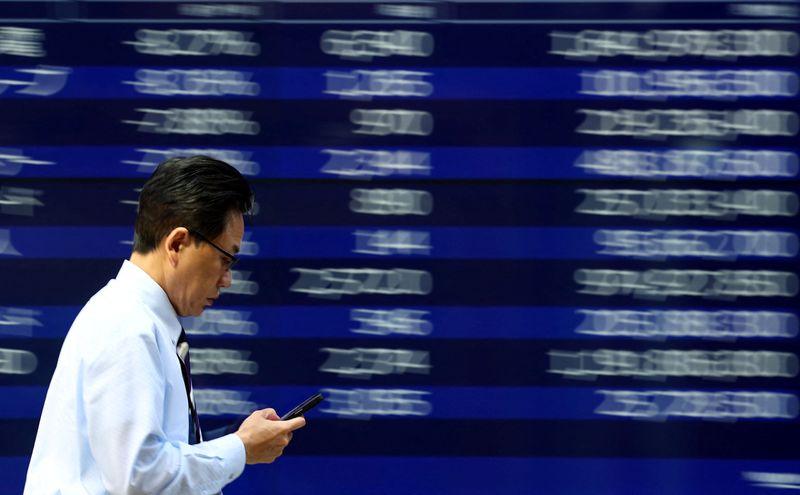
Global equity markets maintained their precarious perch at record altitudes on Tuesday, as a confluence of optimistic earnings forecasts and robust underlying sentiment helped investors bypass a fresh wave of geopolitical volatility. While the shadow of protectionism loomed large following President Donald Trump’s latest tariff salvos, the broader marketplace appeared more preoccupied with the impending deluge of corporate report cards from Silicon Valley’s titans. This resilience suggests that, for the moment, fundamental growth narratives are effectively counterbalancing the idiosyncratic risks emanating from the White House and simmering domestic civil unrest.
The fortitude of the current bull run was perhaps most visible in Seoul, where the KOSPI index staged a remarkable intra-day reversal to hit new peaks despite the administration’s threat to levy a 25% tariff on South Korean imports. This move, predicated on the perceived inadequacy of existing trade agreements, initially jolted regional sentiment but was quickly absorbed by a market focused on the secular tailwinds of technology and manufacturing. Market participants seem to have adopted a posture of tactical indifference toward trade rhetoric; with the recent diplomatic friction regarding Greenland receding into the background, institutional investors have reverted to a disciplined focus on the expansionary fiscal policies gaining traction across the Pacific.
In Tokyo, the political landscape continues to serve as a significant catalyst for market movement. Prime Minister Sanae Takaichi’s aggressive platform of stimulus has provided a necessary scaffold for Japanese equities, though it has simultaneously placed downward pressure on sovereign bond prices. The yen, however, remains a focal point of intense speculation. Chatter regarding coordinated "rate checks" by the New York Federal Reserve and the Bank of Japan has signaled a potential joint intervention to stabilize the currency, adding a layer of complexity to a global currency market already contending with a U.S. dollar languishing at four-month lows against its primary peers.
Domestic headwinds in the United States present a more nuanced set of challenges for the week ahead. Beyond the usual scrutiny of the Federal Reserve’s upcoming policy meeting, the central bank faces intensified scrutiny regarding its future leadership and institutional autonomy. These concerns are compounded by a simmering budgetary impasse in Washington, where the threat of a government shutdown looms amid partisan discord over Department of Homeland Security funding. The tragic social unrest in Minnesota has further polarized the legislative landscape, creating a volatile domestic backdrop that contrasts sharply with the exuberant record highs seen on Wall Street.
This climate of systemic uncertainty has provided fertile ground for precious metals, which continue to act as the primary barometer for institutional anxiety. Gold has surged decisively past the $5,000 threshold, with some market observers, including Ed Yardeni, postulating a long-term trajectory toward the $10,000 mark as a consequence of persistent economic risks. The momentum is even more pronounced in silver, which has appreciated by a staggering 57% in January alone. While the dollar’s retreat accounts for some of this appreciation, commodity strategists at RBC Capital Markets suggest the rally is driven by a fundamental repricing of geopolitical risk that could sustain prices as high as $7,100 by year-end.
Amidst this volatility, the energy sector provided a rare moment of relative consolidation. Brent crude futures experienced a marginal retreat as supply constraints eased following the resumption of flows from Kazakhstan. Nevertheless, the overarching narrative remains one of high-stakes navigation. Between the looming earnings reports from the likes of Apple and Tesla and the shifting sands of global trade policy, investors are operating in an environment where record-breaking valuations must constantly contend with an increasingly complex and fragile geopolitical order.