As global markets navigate a complex tapestry of geopolitical volatility and localized domestic unrest, the financial landscape is being shaped by a confluence of record-breaking bullion prices and a high-stakes leadership transition at the Federal Reserve. While gold continues its remarkable ascent—trading firmly above the $5,000 mark and prompting Ed Yardeni to forecast a climb toward $10,000—the institutional focus has shifted toward the intensifying race to succeed Jerome Powell. Against a backdrop of recovering Asian equities and lingering tariff anxieties, the sudden emergence of BlackRock executive Rick Rieder as a primary contender for the chairmanship has introduced a new layer of speculative fervor to the monetary policy outlook.
According to data from the prediction platform Kalshi, Rieder’s implied probability of helming the U.S. central bank has undergone a precipitous ascent, surging from a mere 5% to approximately 50% in just a fortnight. This momentum has seen him eclipse perennial favorites such as former Fed Governor Kevin Warsh and White House economic adviser Kevin Hassett. However, the analytical community, led by Wolfe Research, remains conspicuously unconvinced by this sudden shift in sentiment. Analysts Tobin Marcus and Chutong Zhu suggest that while Rieder possesses an impeccable professional pedigree, his lack of established personal alignment with President Donald Trump could prove to be a disqualifying factor in an administration that increasingly prioritizes ideological cohesion.
From a policy perspective, Rieder has gained traction by echoing some of the President’s long-standing grievances regarding the central bank’s restrictive posture. He has advocated for a swift reduction of interest rates to a 3% terminal level, a stance that aligns with the market’s perception of him as a policy dove. Furthermore, Rieder has been a vocal critic of the Fed’s balance sheet runoff, particularly concerning mortgage-backed securities, which he argues has exacerbated the nation’s housing affordability crisis. While these positions resonate with the populist economic agenda, Wolfe Research notes that Rieder’s views are still less aggressive than those of more radical candidates, such as Stephen Miran, whose temporary term is nearing its conclusion.
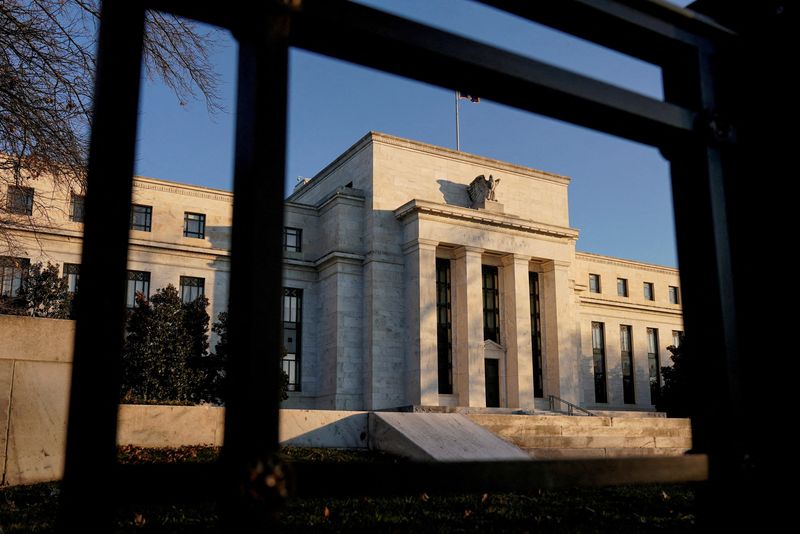
The political calculus is further complicated by the deteriorating relationship between the executive branch and the current Fed leadership. The recent revelation that Chair Powell is the subject of a Department of Justice investigation—a probe Powell has denounced as a politically motivated assault on central bank independence—has signaled that the next appointment will be a litmus test for executive loyalty. During the World Economic Forum in Davos, President Trump underscored that personal fidelity would be a paramount criterion for his nominee. This "loyalty trap" ostensibly favors "the two Kevins," despite recent market misinterpretations of Trump’s comments regarding Hassett’s role at the National Economic Council. Wolfe Research posits that Trump’s insistence on Hassett remaining in his current post was likely a rhetorical gesture of value rather than a formal exclusion from the Fed chairmanship.
Ultimately, the path to confirmation for any of these candidates appears clear, provided the immediate legal clouds over the Fed are dissipated. Senate Republicans are expected to fall in line with the administration’s choice, viewing Hassett’s deep institutional ties and Warsh’s market credibility as sufficient for confirmation. As the Federal Open Market Committee prepares to hold rates steady between 3.5% and 3.75% this week, the market is left to weigh the stability of the current regime against a future leadership that may fundamentally redefine the boundaries between the Treasury, the White House, and the world's most powerful central bank.