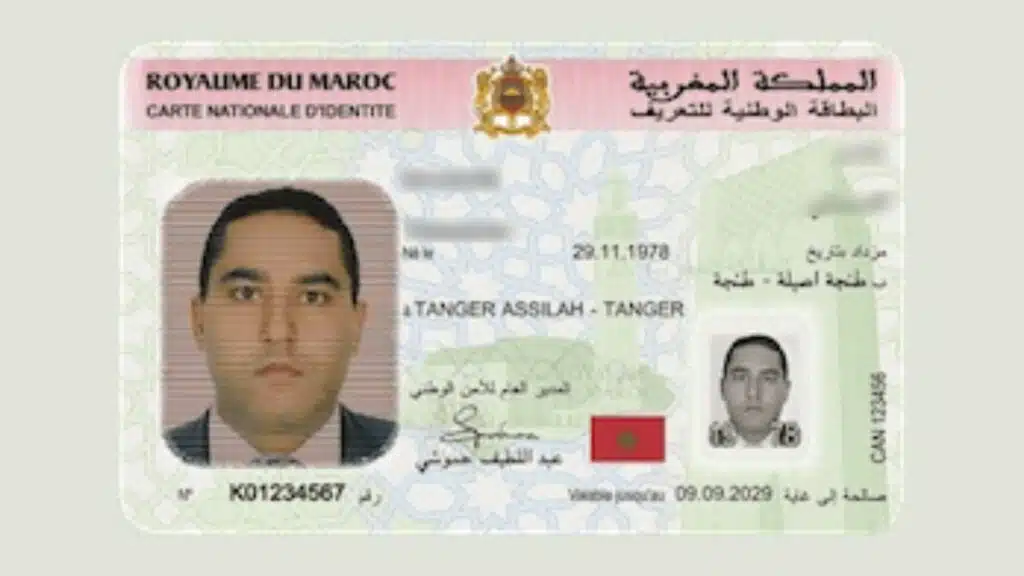
In an era defined by the accelerated digitalization of public services and a push for administrative agility, Morocco’s Direction Générale de la Sûreté Nationale (DGSN) has institutionalized a significant reform in the regulatory framework governing the National Electronic Identity Card (CNIE). This structural adjustment effectively dismantles long-standing bureaucratic barriers that have historically complicated the lives of Moroccan families, both domestically and within the global diaspora. By permitting mothers to unilaterally initiate the application, renewal, and retrieval of identity documents for their minor children, the DGSN is acknowledging the evolving socio-economic realities of the modern household and the necessity for more fluid public service delivery.
The significance of this policy shift lies in its removal of the prerequisite for explicit paternal authorization or the presentation of cumbersome legal custody documentation. Previously, these requirements acted as a persistent friction point within the administrative machinery, often necessitating judicial intervention or extensive paperwork that hindered the efficiency of the identification process. By streamlining these protocols, the Moroccan state is not only reducing the administrative burden on citizens but is also fostering a more inclusive environment that recognizes the practical role of mothers in managing the civil affairs of their children. This move is particularly impactful for the Moroccan community living abroad, where navigating disparate legal systems to obtain authorizations could often lead to significant delays and logistical challenges.
Furthermore, this initiative represents a strategic alignment with existing Moroccan administrative norms, specifically those already governing the issuance of national passports. This convergence of procedures ensures a more coherent and predictable experience for citizens interacting with state institutions. From a broader analytical perspective, such reforms signal a commitment to institutional modernization and the reduction of "red tape," which are essential metrics for evaluating the maturity of a country’s administrative infrastructure and its responsiveness to social change.
However, the DGSN has maintained a necessary degree of legal rigor by stipulating that this newfound administrative ease is strictly subject to judicial oversight. In instances where a formal court-ordered opposition exists, the traditional legal safeguards remain paramount, and the standard restrictive protocols continue to apply. This nuance ensures that while the state prioritizes efficiency and maternal agency in the administrative sphere, it remains steadfast in upholding the sanctity of judicial rulings in complex domestic matters. Ultimately, this reform serves as a vital indicator of Morocco’s ongoing trajectory toward comprehensive institutional modernization, balancing the demands for procedural speed with the necessary safeguards of the rule of law.
Social