The Moroccan Ministry of Interior has intensified its strategic crisis management operations across the northwestern provinces as escalating floodwaters necessitate a massive logistical undertaking to safeguard civilian populations. As of the morning of Thursday, February 5, the government has orchestrated the preemptive displacement of 143,164 individuals, marking a significant mobilization of state resources intended to mitigate the humanitarian and economic risks associated with the current meteorological volatility. This systematic evacuation effort is concentrated primarily within the provinces of Larache, Kénitra, Sidi Kacem, and Sidi Slimane, where the rising water levels have posed a tangible threat to both residential safety and regional infrastructure.
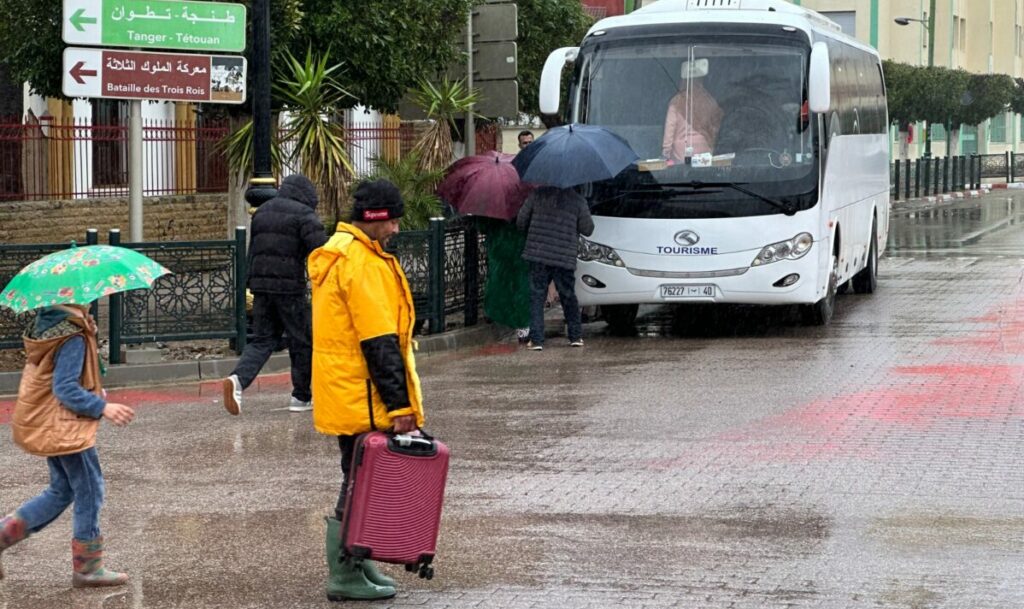
Central to this administrative response is a sophisticated, risk-based methodology described by the Ministry as a progressive evacuation strategy. Rather than a singular, reactive surge, the authorities are deploying personnel and transport assets in a manner that meticulously accounts for varying levels of environmental danger and the specific vulnerability of local topographies. By prioritizing areas based on the potential magnitude of structural damage and the immediate threat to life, the state aims to maintain social order while ensuring that the most at-risk communities are relocated before the flooding reaches a critical threshold. This logistical precision is supported by a comprehensive mobilization of transport and emergency equipment, designed to facilitate the movement of large populations under challenging conditions while maintaining the dignity and safety of those affected.
The scale of the displacement is particularly pronounced in the province of Larache, which serves as the epicenter of the current crisis, accounting for the evacuation of 110,941 residents. The logistical burden extends further south and east into the Gharb plain, a region of critical agricultural and economic importance, where 16,914 individuals have been moved in Kénitra, followed by 11,696 in Sidi Kacem and 3,613 in Sidi Slimane. From an analytical perspective, these figures underscore the immense demographic challenge facing regional administrators as they balance the immediate requirements of disaster relief with the long-term necessity of maintaining regional stability.
Beyond the immediate tactical goals of the Ministry of Interior, these preventive measures reflect a broader institutional commitment to resilience in the face of climate-induced disruptions. For investors and economic observers, the government's proactive stance provides a measure of assurance that human capital and essential services are being prioritized to prevent a more catastrophic socio-economic fallout. While the focus remains on the fluid nature of the rescue operations, the systematic nature of the current evacuations suggests a high degree of coordination between local governance and national security apparatuses, aimed at minimizing the eventual cost of recovery and ensuring a rapid return to normalcy once the environmental threat subsides.
Social