The autonomous vehicle sector faces renewed scrutiny following a recent incident in Santa Monica, California, where a Waymo robotaxi struck a child near an elementary school. According to reports filed with the National Highway Traffic Safety Administration (NHTSA), the collision occurred on January 23 during the heightened activity of morning school drop-off hours. While the minor involved sustained only minor injuries, the event underscores the persistent complexities of navigating high-density urban environments where vulnerable road users are present. This accident serves as a critical data point for regulators and investors alike, highlighting the tension between algorithmic response times and the unpredictable nature of human behavior in pedestrian-heavy zones.
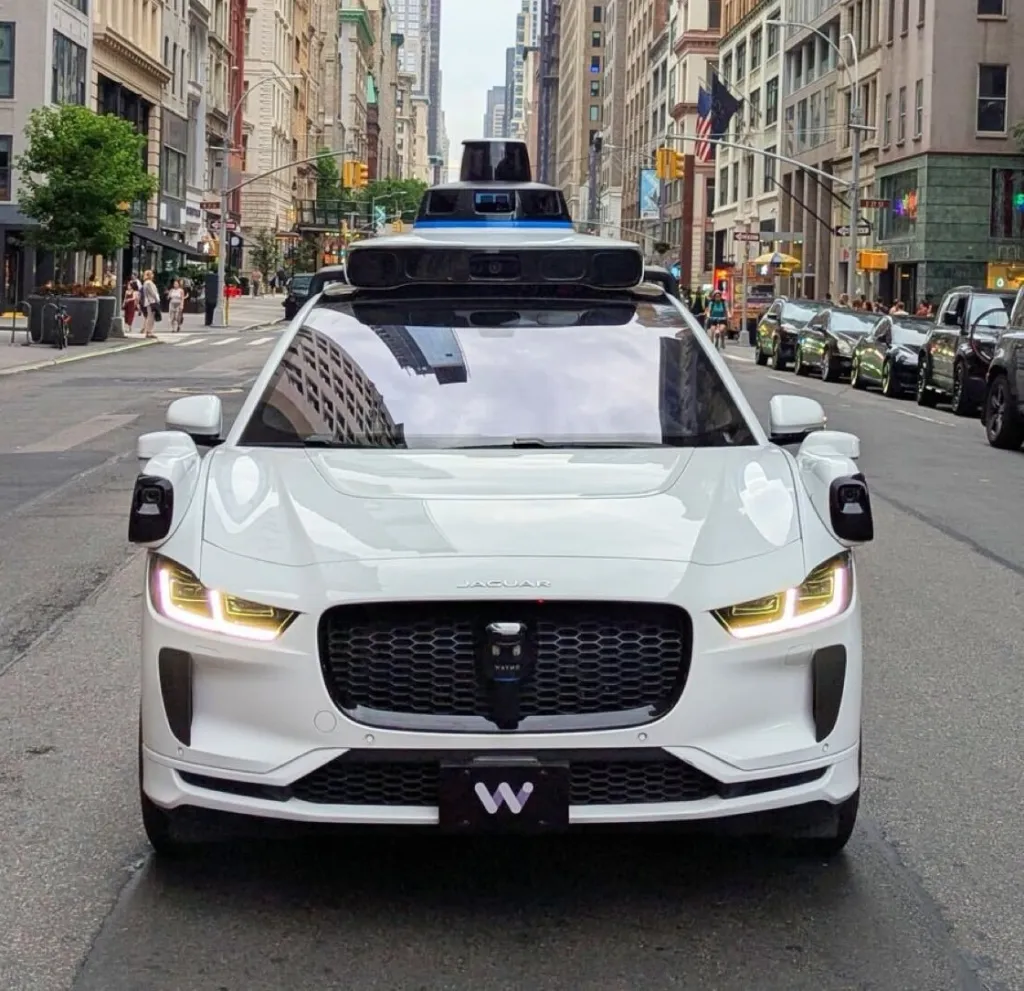
Waymo, the autonomous driving subsidiary of Alphabet Inc., detailed that its vehicle was traveling at approximately 17 miles per hour when the young pedestrian suddenly emerged from behind a large, stationary SUV. The company’s on-board systems reportedly executed a hard braking maneuver, reducing the impact speed to six miles per hour before making contact. In its subsequent technical disclosure, Waymo emphasized that its sensor suite detected the child the moment they became visible from behind the obstructing vehicle, leading to an immediate intervention that likely mitigated the severity of the impact. Following the contact, the pedestrian reportedly stood up and moved to the sidewalk independently, while the vehicle remained on-site until cleared by local law enforcement.
The regulatory response has been characterized by a focus on the situational context of the accident. The NHTSA’s Office of Defects Investigation is currently examining whether the Waymo platform exercised appropriate caution given the proximity to an elementary school and the presence of a crossing guard and other children. Federal investigators are particularly concerned with the environmental variables at play, including the presence of double-parked vehicles which created significant visibility challenges. This investigation seeks to determine if the autonomous system’s safety protocols are sufficiently robust to manage the specific risks associated with school zones, where the margin for error is significantly narrower than on standard urban thoroughfares.
In defense of its proprietary technology, Waymo has referenced a peer-reviewed model suggesting that a fully attentive human driver in an identical scenario would have likely struck the pedestrian at 14 miles per hour—more than double the speed of the robotaxi’s impact. This comparative analysis is a cornerstone of Waymo’s broader narrative that autonomous systems offer a superior safety profile compared to human operators. Nevertheless, the company has yet to release a granular, crash-specific analysis for external verification. As both the NHTSA and the National Transportation Safety Board continue their respective probes, the findings will likely influence the regulatory framework for autonomous mobility, specifically regarding how AI-driven platforms must adapt to the high-stakes dynamics of school environments.
International