Now, the firm has closed its first fund, securing $25.9 million in capital commitments from Cisco Foundation, AMB Holdings, and Builders Vision, among others, along with individuals like Jeff Jordan, a partner at Andreessen Horowitz.
Superorganism backs companies across three categories: tech that slows or reverses extinction, startups that operate at the intersection of climate and biodiversity, and tools that enable conservationists to do their work more effectively.
The firm writes checks of $250,000 to $500,000 in size for pre-seed and seed-stage companies and donates 10% of its profits to future conservationist efforts.
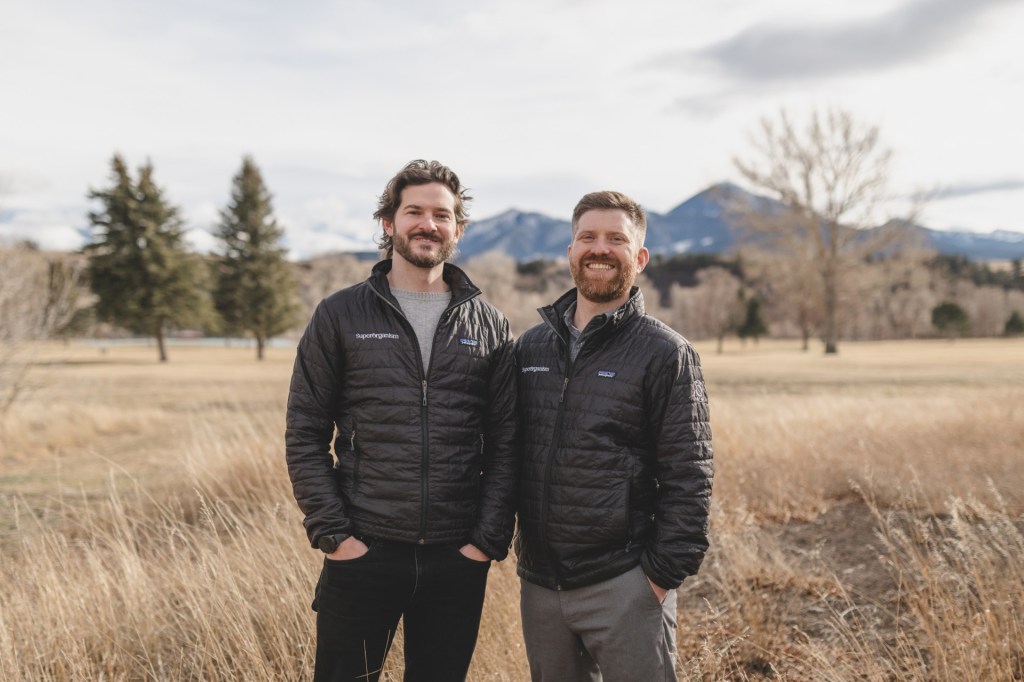
“You could think of us a lot like a climate tech fund, but instead of thinking about, where can we emit less carbon dioxide or avoid emissions in the first place, we’re doing the same thing for nature loss,” Kevin Webb, a managing director at Superorganism, told TechCrunch.
The political climate around protecting nature and the climate in general has changed a lot — in the U.S. at least — since the pair started working on this a few years ago. But it didn’t really hold the firm back from reaching its $25 million target.
Quigley said some potential LPs needed guidance in understanding what makes Superorganism different than a climate fund, but that becomes clearer when you look at the firm’s portfolio, he said. Their portfolio companies span different categories and attract different types of follow-on investors and customers.
“We are purposely building a diverse portfolio,” Quigley said. “It allows us to show what the best biodiversity companies look like across all industries, across all tech types. We think that there’s a showcase portfolio for a fund — one that’s a really powerful thing, and it’s a really stable portfolio that’s not too [affected] by different headwinds in different industries or different government policies of the day.”
Thus far, the firm has invested in 20 companies and plans for a portfolio size of about 35 companies for this fund.
“We recognize that we’re the first and we need to be there to sort of bring others along where they might be interested in taking their first bet on biodiversity, helping them find and support the right ones that can move the needle,” Quigley said.
International