The Federal Reserve opted for a calculated pause in its monetary easing cycle during its latest policy meeting, maintaining the federal funds rate within the anticipated 3.50% to 3.75% range. This decision, which follows a trio of successive rate cuts in late 2025, aligns closely with broader market expectations and reflects a cautious recalibration of the central bank's outlook. In its accompanying statement, the FOMC characterized the American economy as "robust," a designation that signals a growing conviction among policymakers that the current macroeconomic environment no longer requires the aggressive stimulus measures seen in previous quarters. By shifting its rhetorical focus toward this underlying resilience, the Fed suggests that the urgency for further accommodation has waned in the face of steady domestic demand.
Despite the consensus among the majority of the Board, the meeting was marked by a notable lack of unanimity, reflecting deepening ideological fissures within the institution. Two governors, Stephen Miran and Christopher Waller, cast dissenting votes in favor of a 25-basis-point reduction. Mr. Miran, who joined the Board in September following an expedited Senate confirmation at the behest of President Donald Trump, has consistently advocated for a more accommodative stance to catalyze growth. While he refrained from pushing for a more aggressive 50-basis-point cut during this session, his preference for a conventional quarter-point decrease underscored his ongoing skepticism toward the Fed’s current restrictive bias.
The dissent of Christopher Waller carries significant weight in the current political climate, as he is widely viewed as a leading contender to succeed Jerome Powell when the Chair’s term expires in May. His alignment with the dovish minority arrives at a precarious moment for the central bank’s independence, as the Trump administration intensifies its efforts to install a more conciliatory leadership team. President Trump has voiced a clear preference for a central bank that prioritizes cheap credit to service public debt and fuel industrial activity, frequently dismissing inflationary concerns as a secondary issue. While Treasury Secretary Scott Bessent recently noted that the ultimate selection for the next Chair remains a matter of presidential discretion, the pressure on the Fed to pivot toward the executive’s preferred agenda has reached a fever pitch.
This political pressure clashes with the sobering reality of persistent inflationary pressures. While the labor market has shown signs of stabilization—with unemployment holding at 4.4% in December—inflation remains stubborn at 2.8%, marking half a decade of readings above the Federal Reserve's 2% mandate. The situation is further complicated by a weakening dollar and the inflationary pass-through of aggressive tariff policies, which have collectively pushed import costs higher for American consumers. These headwinds suggest that any premature pivot toward looser policy could risk unanchoring inflation expectations, a scenario the majority of the committee appears desperate to avoid as they prioritize long-term price stability over short-term political expediency.
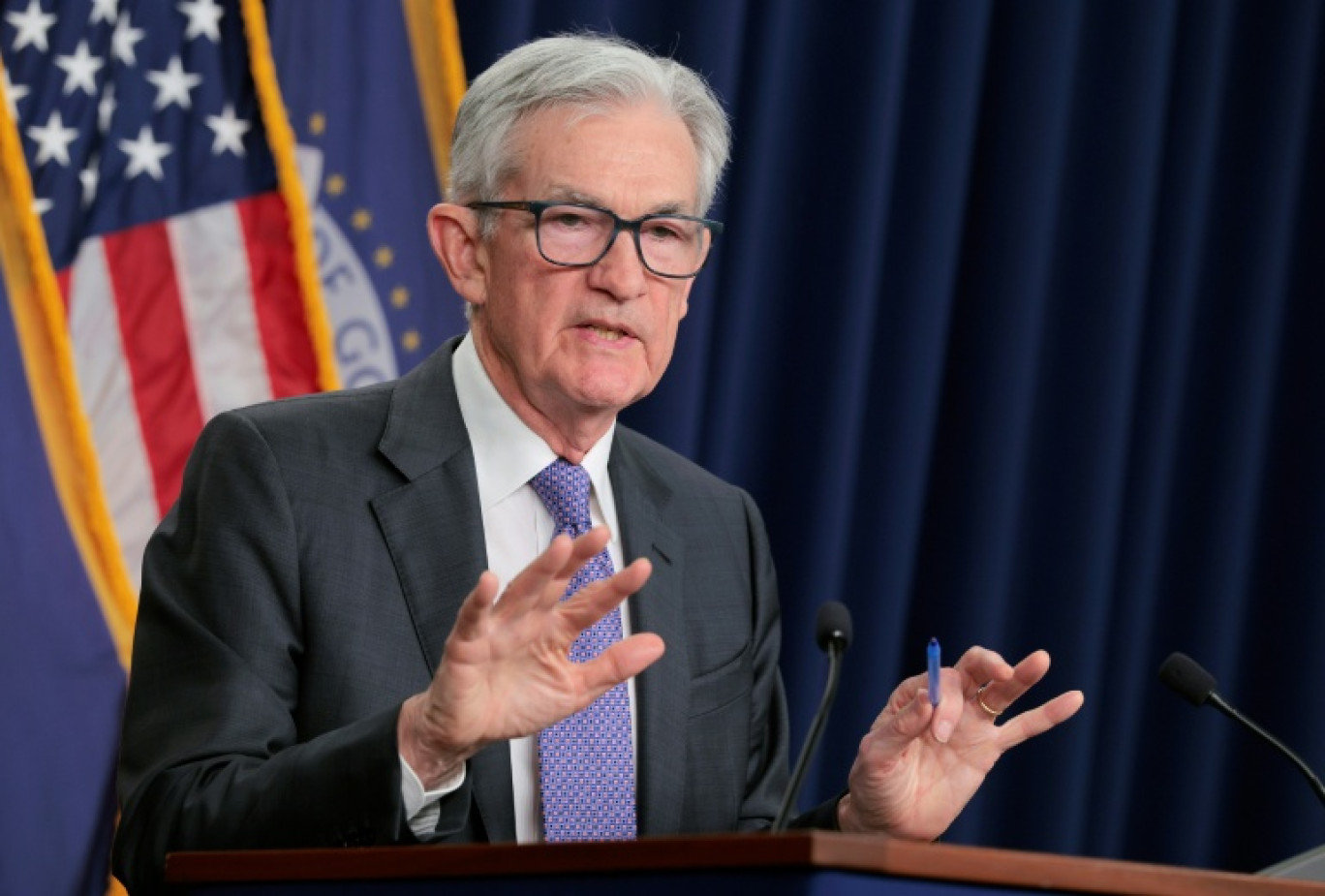
The tension has culminated in an extraordinary public confrontation between the Fed and the executive branch. Chair Jerome Powell recently took the unprecedented step of addressing the nation via video to reveal a Department of Justice investigation into the costs associated with the renovation of the Federal Reserve’s Washington headquarters. Mr. Powell has categorized this probe as a transparent pretext for political intimidation, aimed at punishing the central bank for its refusal to yield to the President’s specific monetary prescriptions. As the transition of leadership approaches in May, the institutional integrity of the Federal Reserve stands at a historic crossroads, caught between its statutory mandate and an administration determined to reshape the monetary landscape.
Bourse
Mercredi 28 Janvier 2026