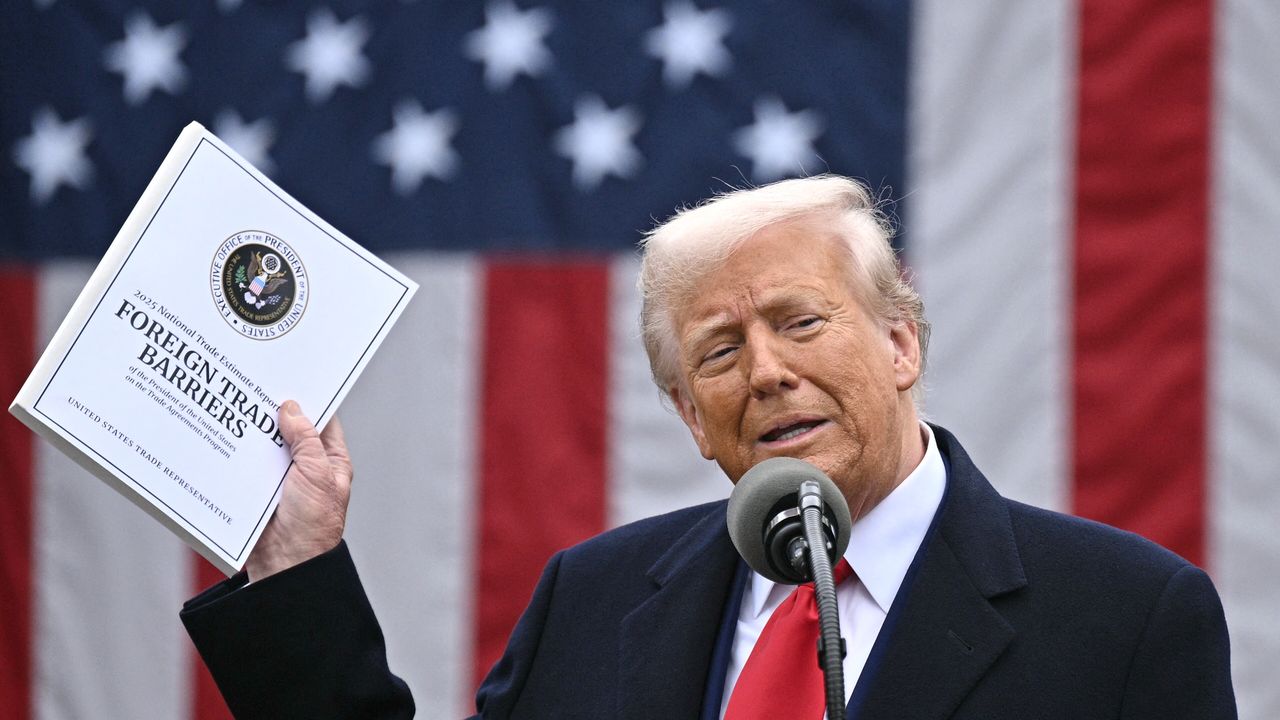
Following a significant judicial rebuff from the Supreme Court, President Trump convened a press conference at the White House to signal a combative new phase in his administration’s trade policy. Characterizing the Court’s decision as deeply disappointing, the President demonstrated an immediate resolve to bypass judicial hurdles through alternative executive maneuvers. This latest confrontation underscores a widening rift between the executive branch’s assertive protectionist agenda and the judiciary’s commitment to maintaining the traditional balance of power regarding fiscal and trade regulation.
In a direct response to the ruling, the President announced the imminent signing of an executive order to implement a sweeping ten percent global tariff. This new levy is designed to function as a cumulative layer atop existing trade duties, further insulating domestic markets from international competition. By pivoting toward a universal baseline tariff, the administration seeks to circumvent the specific legal critiques leveled against its previous trade frameworks, effectively testing the limits of unilateral executive authority in the global economic arena. This move signals to international markets that the administration remains undeterred by domestic legal setbacks in its pursuit of an "America First" commercial strategy.
The President’s rhetoric during the announcement was notably sharp, directing significant vitriol toward the justices who ruled against his administration’s trade measures. He accused the Court of succumbing to external pressures, alleging that the ruling was the product of foreign influence rather than constitutional adherence. By describing the dissenting justices as unpatriotic and disloyal to the foundational principles of the Constitution, the President escalated his long-standing critique of the federal judiciary. He framed the legal debate not merely as a matter of statutory interpretation, but as a fundamental question of national sovereignty and economic security.
At the heart of the legal dispute is the administration’s reliance on a 1977 statute that theoretically empowers the President to intervene in international commerce during a declared economic emergency. However, a six-to-three majority of the Supreme Court found this justification insufficient under the current circumstances. Chief Justice John Roberts, writing for the majority, clarified that while the law grants the executive the power to regulate imports, it does not explicitly authorize the unilateral imposition of tariffs. The Court emphasized that such fiscal measures require a clear and unambiguous mandate from Congress, thereby reasserting the legislative branch’s primary role in taxing and trade policy.
It is important to note that this judicial setback specifically targets the administration's broader "reciprocal" tariff architecture rather than the sector-specific duties already in place for industries such as automotive, steel, and aluminum. These pre-existing protections remain intact for now, providing a measure of stability for those specific industrial sectors. Nevertheless, the ruling represents a significant curtailment of the President's ability to use "economic emergency" as a broad justification for radical shifts in the trade regime without seeking a legislative consensus.
For global investors and trade partners, this development introduces a fresh layer of geopolitical volatility. While the Supreme Court's decision offers a temporary check on executive overreach, the President's immediate pivot to a new global tariff suggests that the administration is prepared to engage in a protracted legal and economic struggle. The outcome of this strategy will likely hinge on whether the new executive order can withstand the inevitable flurry of legal challenges that will question its statutory basis. As the White House continues to push the boundaries of presidential power, the global trade environment remains precariously balanced between institutional constraints and a robustly protectionist executive vision.
Bourse
Vendredi 20 Fevrier 2026