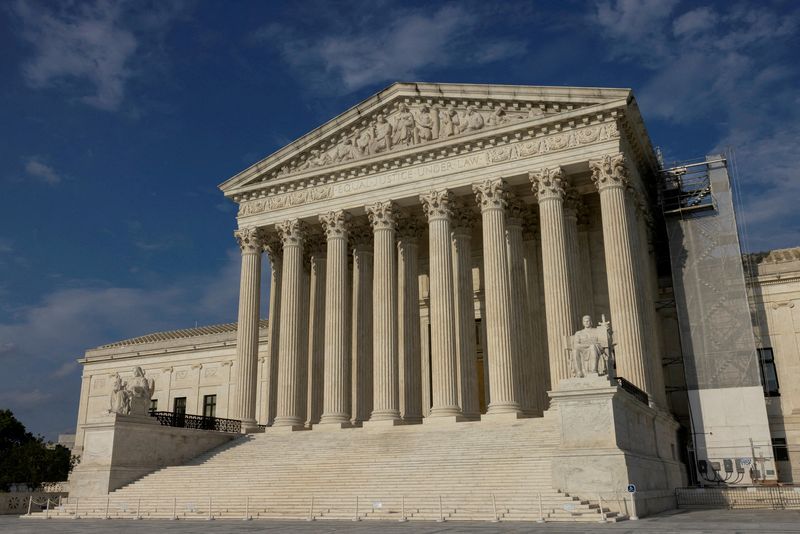
In a landmark decision that reshapes the boundaries of executive authority over international commerce, the Supreme Court has struck down President Donald Trump’s use of emergency powers to impose sweeping import tariffs. The 6-3 ruling specifically invalidated the administration’s reliance on the International Emergency Economic Powers Act of 1977 as a mechanism for broad protectionist policy, dealing a significant blow to a central pillar of the White House’s economic agenda. Chief Justice John Roberts, writing for the majority, underscored that while the Constitution grants Congress the explicit power to levy taxes and regulate foreign trade, that authority does not inherently extend to the executive branch during peacetime. The Court expressed a profound reluctance to interpret ambiguous statutory language as a license for the extraordinary delegation of legislative power, drawing a direct parallel to its 2023 decision regarding the cancellation of student loan debt.
The President’s reaction was characteristically sharp, as he characterized the judiciary’s intervention as a "disgrace" and suggested the court had been influenced by external interests. However, the ruling appears to have catalyzed a swift strategic pivot rather than a full retreat. Moving with notable velocity, the administration immediately invoked Section 122 of the Trade Act of 1974 to implement a new 10% global levy, intended to circumvent the legal constraints identified by the high court. By maintaining existing duties under Sections 232 and 301 while initiating fresh investigations into unfair trading practices, the White House has signaled its intent to remain aggressive in its use of trade as a geopolitical cudgel. As U.S. Trade Representative Jamieson Greer recently indicated, the administration had prepared a secondary tier of duties designed to be enacted the moment any judicial stay was issued.
Financial markets reacted with a complex mixture of relief and cautious positioning. The S&P 500 snapped a two-week losing streak as investors pivoted toward consumer-facing equities, such as Nike and Lululemon, which are particularly sensitive to supply chain costs and import duties. This "relief rally" was driven by hopes that the court’s decision might temporarily cool inflationary pressures and provide a more predictable framework for long-term corporate planning. Simultaneously, however, gold and silver prices surged following disappointing economic data, reflecting a persistent underlying anxiety regarding global growth. The prospect of massive fiscal restitution adds another layer of complexity; economists from the Penn-Wharton Budget Model estimate that the federal government may now be liable for up to $175 billion in tariff refunds to impacted entities—a sum that exceeds the combined annual budgets of the Departments of Justice and Transportation.
While the ruling clarifies certain legal boundaries, it does little to mitigate the broader climate of geopolitical volatility. Analysts at Raymond James have warned that a U.S. military operation in Iran appears "likely at this stage," adding a layer of security risk to the existing trade tensions. Although the high court’s decision has effectively removed one specific tool from the President's arsenal, the immediate imposition of the 10% global levy suggests that the era of aggressive trade intervention is far from over. For institutional investors and global corporations, the path forward remains defined by a precarious balance between a more constrained executive and an administration determined to find alternative legal avenues to reshape global trade flows.