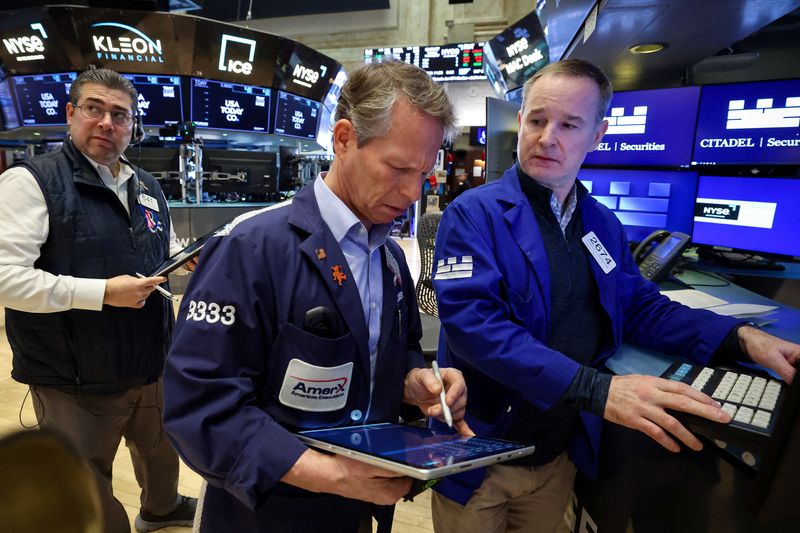
Equity markets found a firm footing on Friday as a landmark judicial intervention reshaped the American trade landscape. The Supreme Court’s decision to dismantle the administration’s sweeping global tariff regime provided a much-needed reprieve for Wall Street, allowing the S&P 500 to snap a two-week losing streak and decouple from recent bearish momentum. The high court’s 6-3 ruling, delivered by its conservative majority, determined that the previous emergency-based duties exceeded executive authority, having been enacted under federal laws reserved for national emergencies. While President Trump characterized the decision as a disgrace, his immediate pivot to a 10% global levy under Section 122 of the Trade Act of 1974—scheduled for a 150-day duration—was perceived by market participants as a relatively moderate and predictable alternative to the previous uncertainty.
This legislative recalibration sparked a broad-based rally, particularly among the technology titans and consumer-discretionary firms most sensitive to trade disruptions. Alphabet led the charge with a 3.7% gain, followed closely by Amazon and Apple, as investors grew optimistic that the removal of the more aggressive tariff structure would alleviate supply chain pressures. The ruling also breathed life into retailers such as Hasbro, Wayfair, and Williams-Sonoma, all of which have navigated significant margin pressures under the previous regime. The prospect of a major corporate windfall is also looming; with thousands of lawsuits pending, the Penn-Wharton Budget Model suggests that the U.S. Treasury may be compelled to refund upwards of $175 billion in previously collected duties, a potential liquidity injection that could significantly alter corporate balance sheets in the coming quarters.
However, the day’s gains were tempered by sobering macroeconomic data and escalating geopolitical tensions. Fourth-quarter economic growth decelerated beyond analyst projections, while December inflation figures showed a persistent upward trend, complicates the Federal Reserve’s path toward monetary easing. Current market pricing suggests a narrow 50% probability of a rate cut by June, as traders balance cooling growth against sticky price pressures. Simultaneously, a stark assessment from Raymond James warning of the likelihood of U.S. military operations in Iran added a layer of geopolitical risk, driving up the valuation of safe-haven assets like gold and silver.
The broader technology sector remains in a state of flux as the market awaits Nvidia’s upcoming quarterly results. While the Nasdaq gained 0.90% on Friday, the enthusiasm for artificial intelligence is being scrutinized against high valuations and a demand for tangible revenue growth. This skepticism was evidenced by Akamai Technologies’ 14% plunge following a disappointing profit forecast, highlighting the unforgiving nature of the current earnings season. Despite these localized downdrafts and relatively light trading volumes of 18.3 billion shares, the S&P 500 concluded the week up 1.08%, closing at 6,909.51 points. As the market moves into the next phase of this trade transition, investors remain cautious, weighing the benefits of judicial clarity against the persistent headwinds of inflation and global instability.