The global trade landscape underwent a convulsive shift this week as the U.S. Supreme Court decisively struck down a series of sweeping tariffs previously implemented by the Trump administration. While the ruling initially sparked a relief rally across equity markets—propelling the S&P 500 to snap a two-week losing streak—the celebration among proponents of free trade was tempered by the administration’s immediate pivot. In a characteristically defiant response, President Trump signaled the imposition of a new 10% global levy for a 150-day period, effectively asserting executive resilience in the face of judicial setbacks. This rapid policy recalibration has left investors navigating a complex environment where legal victories for industry may be offset by fresh geopolitical volatility, further exacerbated by Raymond James’ assessment that a U.S. military operation in Iran appears increasingly probable.
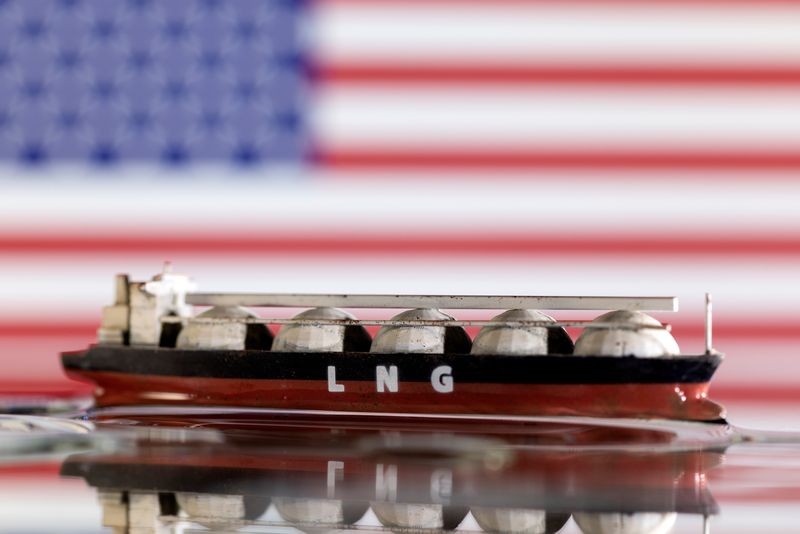
For the domestic energy sector, the high court’s intervention offers a significant, albeit incomplete, reprieve from the rising capital expenditures that have plagued infrastructure development. Analysts suggest the ruling will particularly benefit large-scale liquefied natural gas projects, such as those spearheaded by Venture Global, which utilize modular construction techniques involving components manufactured in Italy and other foreign jurisdictions. By lowering the cost of imported materials and specialized equipment, the decision allows firms to stabilize their budgets and refine their long-term drilling projections. However, the persistence of 50% tariffs on steel and aluminum remains a formidable barrier, maintaining a high floor for construction costs across the hydrocarbon value chain.
The internal financial dynamics of service providers further illustrate the tangible impact of these shifting trade barriers. Premium Oilfield Technologies, a major supplier of spare parts, had anticipated a $5 million to $6 million tariff liability for 2026. With the judicial invalidation of the broader tariff regime, executive leadership noted that while customer pricing might remain steady—given that firms had largely absorbed previous cost increases to maintain market share—the resulting expansion in cash flow would be redirected toward research and development, employee compensation, and shareholder returns. This shift underscores a broader trend where corporate balance sheets are being de-risked from regulatory overhead, even as management teams remain wary of the administration’s stated intent to bypass traditional legislative hurdles with new "alternative" trade schemes.
Despite the reduction in domestic cost pressures, the outlook for international energy flows, particularly regarding China, remains largely stagnant. Strategic analysts from the Center on Global Energy Policy and Rapidan Energy emphasize that the removal of these specific tariffs is unlikely to trigger a surge in U.S. LNG exports to Beijing. China continues to view its energy procurement as a tool of geopolitical leverage, preferring to maintain an arbitrage position by trading U.S. cargoes into European markets or sourcing oil-indexed supply from the Middle East. With retaliatory measures still in place and no definitive purchase agreements emerging from recent bilateral discussions, the structural impasse in U.S.-China energy trade appears insulated from the Supreme Court’s ruling, leaving the industry to grapple with a reality where legal clarity does not necessarily equate to commercial expansion.