The global financial landscape is currently navigating a period of profound transition, punctuated by a significant shift in monetary leadership and a historic surge in safe-haven assets. President Donald Trump’s decision to nominate former Federal Reserve Governor Kevin Warsh as the next Chairman of the central bank has injected a fresh layer of volatility into the markets. Warsh, a figure long regarded for his nuanced perspective on monetary policy and market dynamics, is viewed by many as a choice that could signal a more disciplined approach to the Federal Reserve’s balance sheet. This development has already begun to reshape investor sentiment, initially bolstering the U.S. dollar and triggering a tactical retreat in the precious metals complex as markets recalibrate their expectations for the pace of future interest rate easing.
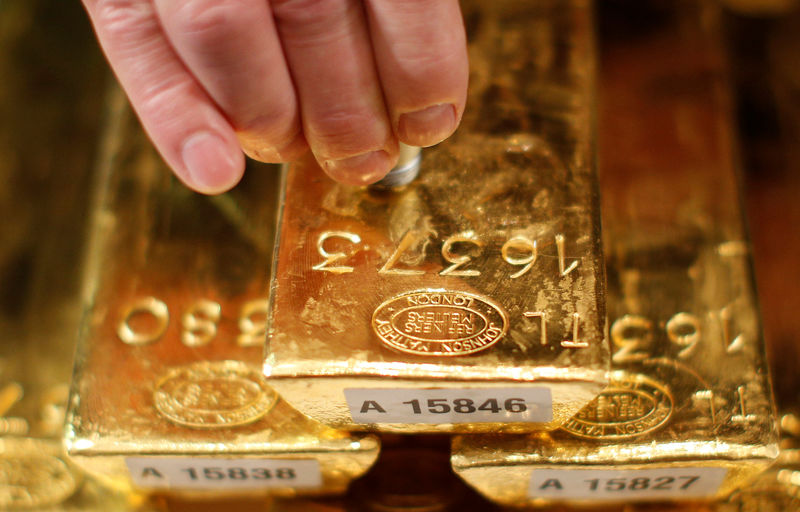
Prior to this recent Friday pullback, gold prices reached a staggering milestone, breaching the $5,600 per ounce mark for the first time. This ascent, representing a gain of more than 17% year-to-date, is not merely a reactionary spike but the culmination of a decade-long structural shift in global asset allocation. Market participants are increasingly looking beyond traditional equities as lingering geopolitical tensions and the looming January 30 U.S. government funding deadline create a climate of persistent fiscal uncertainty. Furthermore, the administration's stated intent to introduce new tariffs on imports from South Korea has exacerbated concerns over global trade stability, further cementing gold's status as a critical hedge against systemic risk.
In a recent dialogue regarding this bullish trajectory, John McCluskey, CEO of Alamos Gold, emphasized that the current price action is underpinned by robust structural demand rather than purely speculative fervor. McCluskey noted that aggressive central bank accumulation—particularly from nations seeking to diversify their reserves away from the dollar, such as China, Russia, and their various trading partners—has provided a formidable floor for the metal. While retail "fear of missing out" has recently begun to accelerate momentum and drive record inflows into gold-backed funds, the core of the rally remains anchored in these institutional shifts. McCluskey suggests that even if the Federal Reserve’s easing cycle concludes sooner than anticipated, the tailwinds for gold remain largely intact, driven by a broader de-dollarization trend that transcends short-term interest rate fluctuations.
Despite this overarching optimism, the market experienced a sharp corrective phase as the week drew to a close, with spot gold retracing roughly 6% to settle near $5,042. This "unwinding" of the precious metals trade reflects a broader profit-taking sentiment as Wall Street prepares to close out a generally productive January for stocks. Simultaneously, the technological landscape continues to evolve, with investors noting that the next phase of artificial intelligence will be increasingly shaped by the economics of power consumption and inference. As investors look toward the remainder of the year, the consensus among financial leadership remains largely constructive. With retail participation only now reaching a fever pitch, analysts suggest that even after the current consolidation, gold could feasibly test the $5,400 to $6,000 range by year-end, provided the underlying macroeconomic fragility and geopolitical pressures persist.