As Wall Street concludes a constructive January characterized by broader equity gains, the financial landscape is being reshaped by a confluence of high-stakes political appointments and emerging technological paradigms. The nomination of Kevin Warsh to lead the Federal Reserve has introduced a critical new variable into market expectations, with investors and institutional analysts closely scrutinizing how his leadership might influence interest rate trajectories and long-term monetary stability. Simultaneously, the artificial intelligence sector is entering a pivotal second act, where the investment narrative is shifting away from the raw acquisition of computational power toward the more nuanced economics of inference and energy efficiency. This transition suggests a maturing market where operational margins and infrastructure scalability will dictate the next generation of industrial leadership.
Despite the strategic optimism surrounding these structural shifts, immediate operational headwinds have emerged within the domestic transportation sector following a severe winter storm that paralyzed the central and eastern United States. This meteorological event triggered a notable unwinding of certain defensive positions, particularly in the precious metals trade, as market participants reassessed immediate risk in the face of widespread logistical disruptions. The aviation industry, in particular, bore the brunt of this environmental volatility. According to a comprehensive analysis by Bank of America Securities, the storm forced a staggering volume of more than 22,000 flight cancellations across both mainline and regional networks, creating a significant ripple effect across the nation’s travel infrastructure.
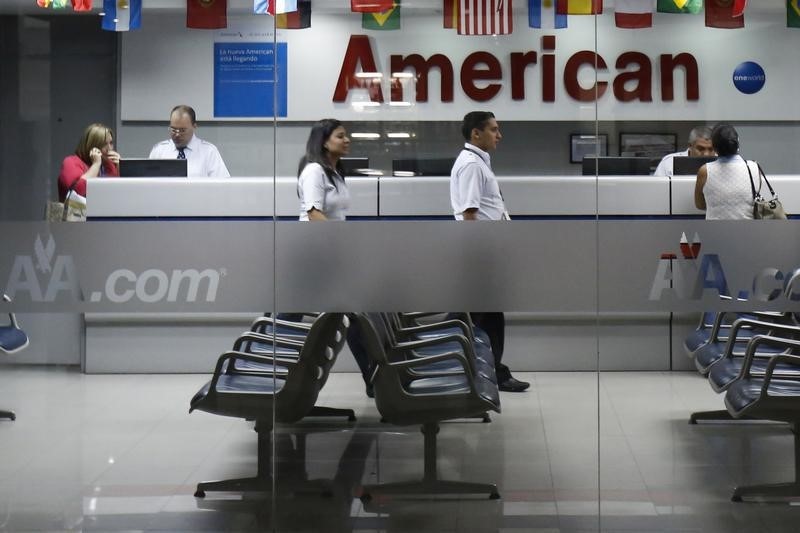
American Airlines emerged as the primary casualty of this Arctic front, officially characterizing the storm as the most disruptive weather event in the carrier’s history. The airline’s extensive presence in key markets directly within the storm’s path resulted in over 11,000 cancelled flights, leading to a projected pre-tax income reduction of approximately $190 million. For shareholders, this translates to a roughly $0.20 headwind for earnings per share, marking American as the first major carrier to fully quantify the fiscal damage. However, the impact is pervasive across the "Big Three" legacy carriers; Delta Air Lines and United Airlines are projected to absorb the next largest pre-tax hits, estimated at $67 million and $53 million respectively, due to the sheer scale of their respective flight networks.
The financial contagion extends into the low-cost and hybrid sectors as well, with Southwest Airlines facing a projected $39 million dent to its income, while JetBlue anticipates a $20 million reduction. Conversely, carriers with a more pronounced West Coast orientation or specialized niche focus, such as Alaska Air, Frontier, and Allegiant, are expected to navigate the quarter with significantly less friction due to their limited exposure to the hardest-hit Northeast corridor. While these disruptions will undoubtedly weigh on first-quarter reporting and may induce short-term volatility in airline equities, seasoned investors typically view such seasonal anomalies as manageable on a full-year basis. In the broader context of a robust start to the year and the strategic shift toward inference-led technology growth, these operational setbacks are likely to be viewed as transitory hurdles rather than a systemic threat to the prevailing market momentum.