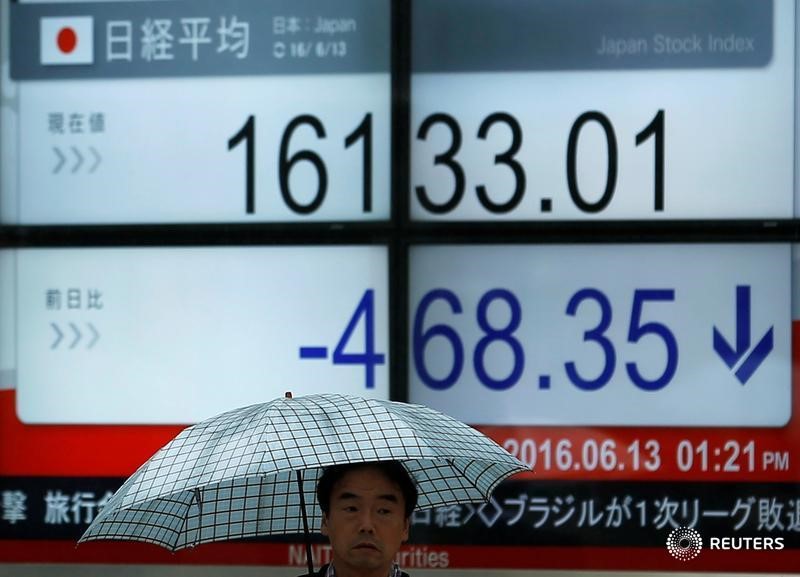
The global financial landscape is currently navigating a period of significant transition, punctuated by high-stakes political appointments and shifting economic paradigms. In the United States, the nomination of Kevin Warsh as the next Federal Reserve Chairman by President-elect Donald Trump has introduced a new variable into market calculations. Investors are closely scrutinizing Warsh’s potential impact on monetary policy and market stability, particularly as Wall Street closes out a volatile January and precious metals trades begin to unwind. However, while Washington’s policy direction remains a focal point, seasoned investors are increasingly turning their attention eastward, where the Japanese equity market is approaching what Bank of America strategists describe as a pivotal inflection point.
According to senior strategists at the firm, most notably Masashi Akutsu, the trajectory of Japanese stocks is now inextricably linked to the outcome of the upcoming Lower House election. The firm posits that the Liberal Democratic Party securing an outright majority would serve as the primary catalyst for a definitive upside scenario. In this "golden" case, the Nikkei 225 is projected to scale the 60,000 mark, while the TOPIX could approach 4,000 within the next twelve months. This bullish outlook is not merely a reaction to political stability but is grounded in a significant recalibration of corporate fundamentals. Japan’s return on equity has already ascended to 9.8%, surpassing its historical range and beginning to attract the long-awaited attention of institutional allocators in Europe and the United States who have historically remained under-allocated to the region.
A successful electoral outcome for the ruling party would likely usher in a concentration of market positives during the first half of the year. This includes the potential for rising real wages and a robust cycle of upward earnings revisions. Currently, corporate guidance remains conservatively pegged to an exchange rate of approximately 145.3 yen per dollar, suggesting ample room for outperformance as actual results materialize. Furthermore, the market anticipates a resurgence in share buybacks and continued revisions to the Corporate Governance Code, which are designed to enhance accountability and optimize cash allocation across the corporate sector.
Beyond the immediate political landscape, Japan is successfully navigating a transition into a "world with interest rates," where inflation is viewed through the lens of economic normalization. While recent volatility in the Japanese government bond market suggested a degree of panic, analysts expect these pressures to subside as the focus shifts toward growth-oriented fiscal strategies. This environment favors sectors with localized pricing power and those tied to secular themes such as defense, energy infrastructure, and the expansion of data centers.
The strategic preference for "physical AI," shipbuilding, and automation reflects a broader structural shift in the global economy. As labor shortages intensify and reshoring efforts accelerate, Japanese expertise in factory automation and robotics is becoming increasingly indispensable. Simultaneously, the rising costs of industrial materials like copper and aluminum—driven by structural underinvestment and the massive power demands of the AI revolution—reinforce the argument for a market dominated by companies with resilient margins. Whether through the lens of geopolitical defense catalysts or the domestic recovery of real wages, the consensus suggests that the Japanese market is no longer a value trap but a sophisticated play on structural reform and technological necessity.