Global financial markets currently navigate a complex tapestry of volatility, characterized by domestic unrest in Minnesota and heightened geopolitical tensions that continue to provide a tailwind for safe-haven assets. As gold prices remain buoyed above the $5,000 per ounce threshold, some analysts, including Yardeni Research, have begun forecasting a long-term trajectory toward the $10,000 mark. While Asian equities found temporary footing following a positive lead from Wall Street—notably South Korea, which staged a recovery after recent tariff-induced anxieties—investor attention in Europe has shifted toward the industrial sector, where fundamental execution concerns are beginning to weigh heavily on valuations.
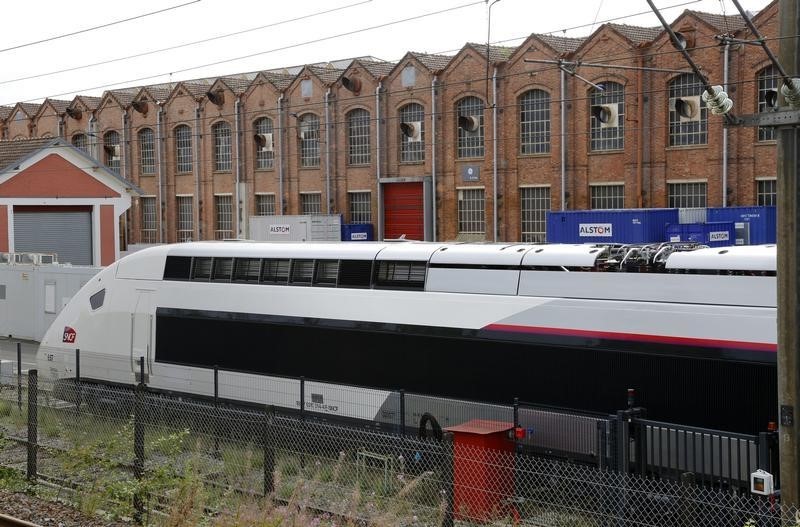
A primary focal point of this scrutiny is Alstom, the French rail transport giant, which saw its shares retreat more than 3% on Tuesday following a significant rating downgrade. Kepler Cheuvreux lowered its stance on the firm from "hold" to "reduce," simultaneously slashing its 12-month price target from €27.50 to €25.00. This 9.1% reduction in the target price reflects a deepening skepticism regarding the company’s underlying economic position. At the time of the revision, with shares trading near €26.78, the new target implies a potential downside of approximately 6.6%.
The brokerage’s decision is rooted in a fundamental reassessment of Alstom’s financial profile and earnings quality. Kepler Cheuvreux aggressively cut its adjusted EBIT and earnings per share forecasts by a range of 11% to 18%, arguing that current reported figures may overstate the group’s actual economic health. Specifically, the analysts amended their definition of adjusted EBIT to exclude contributions from joint ventures and associates. Furthermore, they highlighted that current financing charges appear to reflect unsustainably low coupon levels on the profit and loss account, suggesting that future interest burdens may be more onerous than currently reflected in market consensus.
Operational headwinds further complicate the narrative. Despite Alstom reporting a record order intake in the third quarter of the 2025-26 fiscal year, management’s decision to maintain its second-half free cash flow guidance has signaled a disconnect. This stagnation suggests that prepayments from new contracts are lower than anticipated, compounding concerns over the group’s weak and unpredictable profit-to-cash conversion. These cash flow pressures are exacerbated by the complexities of ramping up early-stage rolling stock projects and persistent capacity underutilization across various regions, both of which threaten to delay a meaningful recovery in margins.
Ultimately, while the global rail market provides a backdrop of stable volumes, it remains an arena of intense competition and demanding client specifications. The inherent complexity of Alstom’s project portfolio continues to limit the benefits of industrialization, thereby heightening execution risks. With the stock currently trading above what Kepler Cheuvreux deems fair value, the firm suggests that the risk-reward profile has become unattractive for disciplined investors, particularly as the company grapples with the dual challenges of operational delivery and financial transparency.