Global financial markets are currently navigating a complex landscape defined by localized geopolitical volatility and significant shifts in the industrial order. While domestic unrest in Minnesota has introduced fresh concerns regarding potential state-level shutdowns, the precious metals sector is signaling deeper systemic anxieties. Gold prices have maintained a firm foothold above the $5,000 per ounce threshold, a trajectory that has prompted seasoned market strategist Ed Yardeni to project an eventual ascent to the $10,000 mark. This commodities rally coincides with a fragile recovery in Asian equities, where South Korean benchmarks have staged a cautious rebound following a period of intense jitters over potential trade tariffs.
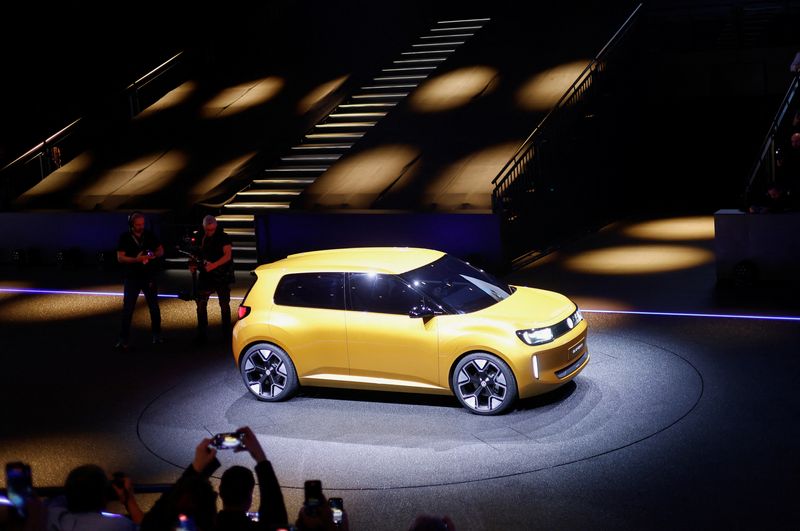
Against this backdrop of macro-level uncertainty, the European automotive sector has reached a historic inflection point that underscores a fundamental transition in consumer behavior and industrial strategy. Data recently released by the industry association ACEA reveals that battery-electric vehicles surpassed petrol-powered cars in European Union sales for the first time in December. This milestone was mirrored in the broader European market, which includes the United Kingdom and Norway, marking a sixth consecutive month of year-on-year growth for the continent’s automotive trade. Total EU registrations for the year reached 10.8 million units, and while this remains below pre-pandemic levels, the 13.3 million vehicles sold across the wider European region represent a five-year high.
The competitive landscape within this burgeoning electric segment is characterized by a stark divergence between incumbent Western manufacturers and aggressive new entrants from the East. While Volkswagen and Stellantis saw registrations rise by 10.2% and 4.5% respectively in December, the most dramatic movements were seen among international challengers. BYD recorded a meteoric 229.7% surge in registrations, contrasting sharply with Tesla, which experienced a 20.2% decline during the same period. This intensification of competition from Chinese brands like BYD, Changan, and Geely is forcing a strategic pivot among European policymakers. In a bid to protect domestic industry and manage the complexities of a profitable EV transition, the EU has moved to soften its proposed 2035 ban on combustion engines, acknowledging the immense pressure of U.S. import tariffs and the logistical hurdles of mass-market electrification.
Despite these regulatory shifts, the secular trend toward e-mobility appears resilient. Industry experts suggest that the recent surge in battery-electric and hybrid registrations, which collectively accounted for 67% of the bloc's December volume, is being driven by a combination of new, more affordable models and localized incentive schemes. However, analytical depth requires a more nuanced view of these figures; independent analysts note that the apparent decline in petrol sales is partly bolstered by the reclassification of "mild hybrids" that offer only incremental environmental benefits. While it may take another half-decade for pure electric vehicles to achieve true, unassisted dominance across the continent, the current data confirms that the structural transition of the European automotive market is now an irreversible reality.