As domestic equity markets trend higher in anticipation of a pivotal Federal Reserve policy announcement and a high-stakes slate of megacap technology earnings, the underlying physical energy markets are grappling with a systemic supply shock. A brutal Arctic blast sweeping across the United States has paralyzed significant portions of the nation's energy infrastructure, resulting in a precipitous decline in crude oil production. Industry analysts and traders estimate that the weekend’s frigid conditions forced the curtailment of up to 2 million barrels per day, representing a staggering 15% of total U.S. output. While equity investors remain focused on macroeconomic signals and the potential for gold to reach the $10,000 per ounce threshold by 2029 as projected by Edward Yardeni, the immediate reality for energy producers is one of operational crisis management and infrastructure strain.
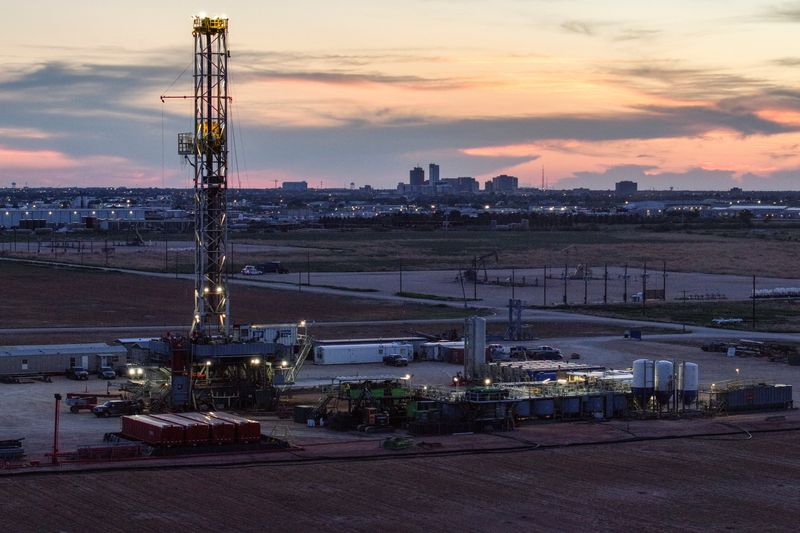
The epicenter of this disruption remains the Permian Basin, where production shut-ins peaked at approximately 1.5 million barrels per day on Saturday. Although output began to recover by Monday, with losses narrowing to 700,000 barrels per day, full restoration of the basin’s capacity is not anticipated until the final days of January. The operational toll on major producers has been significant; ConocoPhillips reportedly saw its Permian crude output decline by 175,000 barrels per day, while Chevron contended with frozen infrastructure in Midland, Texas. Beyond the immediate wellhead issues, the Texas Oil and Gas Association has highlighted a critical logistical bottleneck, noting that hazardous road conditions have severely hindered third-party takeaway services, specifically water hauling and the dispatch of technical repair crews.
Downstream operations have fared little better, as several Gulf Coast and Midwestern refineries reported weather-related mechanical failures. Exxon Mobil was forced to shut units at its massive Baytown complex, and Cenovus Energy’s Lima refinery experienced significant setbacks that could delay a full restart until late in the week. Simultaneously, the natural gas sector faced its own set of challenges, with production dropping from a record high of 109.7 billion cubic feet per day in December to an average of 106.9 billion cubic feet per day this month. This supply tightening triggered a dramatic reaction in the commodities market, where front-month gas futures surged nearly 30% to settle at $6.80 per million British thermal units, the highest level since late 2022.
The crisis has extended into the power sector, leaving over 800,000 customers without electricity and forcing grid operators into emergency postures. PJM Interconnection, the nation’s largest grid, saw generation outages climb to 16% of total committed capacity, while wholesale electricity prices witnessed extraordinary volatility. In some regions, spot prices spiked to $3,000 per megawatt hour over the weekend before stabilizing near $200. While the current spate of equipment "upsets" remains lower than the catastrophic levels seen during the 2021 winter storm, the combined impact of production losses, refinery outages, and grid instability underscores the ongoing vulnerability of the American energy complex to extreme climatic events. For investors, these disruptions provide a sobering backdrop to the prevailing optimism in broader financial markets.