Financial markets opened with varied movements, largely influenced by robust U.S. economic indicators, which exerted downward pressure on the price of gold. Meanwhile, geopolitical risk factors lessened as diplomatic tensions surrounding Greenland appeared to subside. Corporate developments also played a role in market dynamics, exemplified by Raymond James upgrading Alphabet to a “Strong Buy,” predicated on the belief that the company’s crucial AI technology stack is accelerating significantly. These movements occurred as investors tracked major corporate releases, such as Intel’s upcoming earnings report, and analyzed policy decisions, including President Trump’s recent tariff reversal regarding Greenland. Adding to the bullish sentiment in the precious metals sector, Goldman Sachs revised its gold price target upwards, noting that a primary upside risk it had identified was now visibly manifesting.
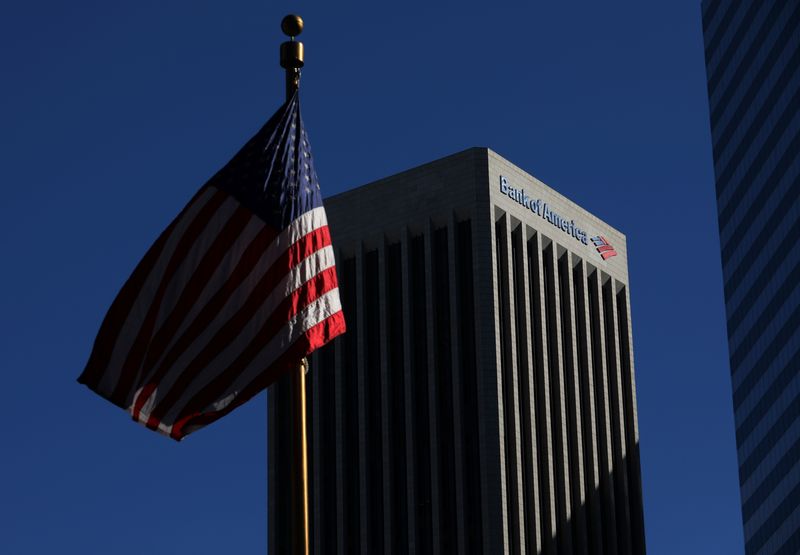
However, the most pressing regulatory news emerged from the consumer finance sector. According to a Bloomberg News report published Thursday, major U.S. banking entities, including Citigroup and Bank of America, are reportedly evaluating strategic options for launching new credit card offerings that would feature a hard ceiling on interest rates, capped at 10 percent.
This reported evaluation, citing individuals familiar with the institutions’ discussions, is seen as a preliminary measure to address and potentially comply with recent policy initiatives pushed by President Donald Trump. Both banks are said to be weighing these capped-rate products as a practical solution to the proposed mandate.
The impetus for this internal restructuring stems from the President’s statement on Wednesday that he intended to lobby Congress to approve a 10 percent interest rate maximum on credit cards, although he suggested limiting the duration of the cap to a single year initially.
The prospect of a mandatory rate ceiling has sparked considerable debate within the financial community. Industry executives have consistently voiced warnings that imposing such limits would inevitably force a contraction in the overall volume of consumer lending, thereby restraining broader economic expansion. Conversely, a cohort of financial experts argues that given the traditionally high profitability of credit card operations, institutions possess sufficient operational flexibility to sustain margins even with lowered interest rates.
Following the initial reports, Reuters sought confirmation from the institutions involved, but neither Citigroup nor Bank of America provided an immediate response to the inquiry.