As the Moroccan kingdom prepares for a significant meteorological shift, the General Directorate of Meteorology has issued a series of high-level warnings that signal substantial operational risks for the northern and eastern corridors. Commencing at 11:00 on Thursday, January 29, 2026, and extending through 18:00 on Friday, a severe weather system is projected to bring intense precipitation and gale-force winds to several key economic hubs. The gravity of the situation is underscored by a rare red alert status specifically targeting the Chefchaouen province, where cumulative rainfall is anticipated to reach a staggering 120 millimeters over the duration of the event.
This concentration of rainfall presents a formidable challenge to local infrastructure and logistical continuity. Beyond the immediate red-zone of Chefchaouen, the neighboring provinces of Al Hoceima and Larache are facing significant moisture intake, with forecasts predicting totals between 60 and 90 millimeters. For investors and business operators in the region, these figures represent more than just atmospheric data; they indicate a high probability of localized flooding and potential disruptions to terrestrial supply chains. Further inland and along the northern coast, a broader orange-level vigilance encompasses strategic areas such as Tanger-Assilah, Kenitra, and Tetouan. In these locales, precipitation levels ranging from 30 to 60 millimeters are expected to test the resilience of urban drainage systems and agricultural stability.
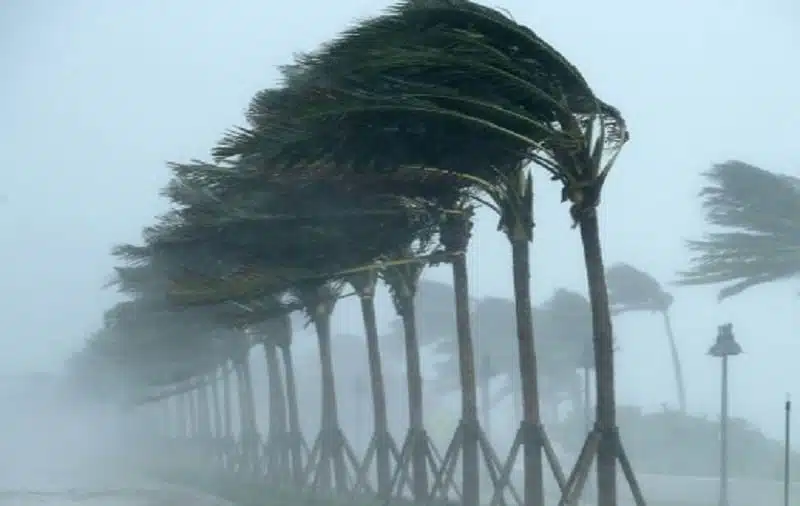
Parallel to the deluge, the kingdom must contend with a volatile wind regime that threatens to complicate maritime and industrial activities. Strong gusts, ranging from 75 to 85 kilometers per hour, are forecast to sweep across a wide swathe of territory including the M’Diq-Fnideq, Guercif, Taourirt, and Oujda-Angad provinces. Such conditions are particularly consequential for the Tangier-Mediterranean axis, a critical node in international trade where high-velocity winds can necessitate the suspension of port operations and delay shipping schedules. The duration of this disturbance suggests a protracted period of caution for energy providers and construction firms, who must account for the mechanical stresses these gusts impose on sensitive equipment and ongoing projects.
Navigating this 31-hour window of atmospheric instability requires a proactive approach to risk management from both public authorities and private sector stakeholders. The convergence of heavy rainfall and high-velocity winds across the northern provinces highlights the ongoing vulnerability of regional economies to extreme weather events. As the system moves through the Rif and eastern regions, the primary focus remains on maintaining communication channels and ensuring that contingency plans are ready to be activated. For the sophisticated observer, these events serve as a pertinent reminder of the critical intersection between environmental resilience and economic stability in one of North Africa's most dynamic industrial landscapes.
Social