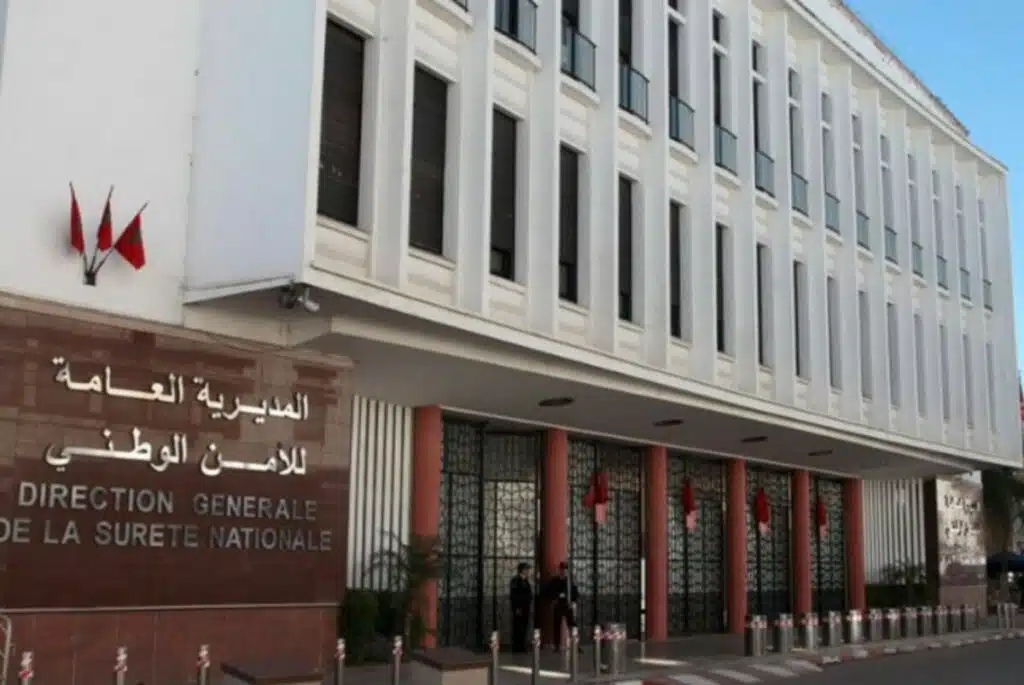
The intersection of geopolitical stability and internal security remains a critical metric for international investors monitoring emerging markets. Recently, this delicate balance became the focal point of a sharp media contention following reports published by the French weekly publication Le Point. The Moroccan General Directorate of National Security, widely known as the DGSN, issued a formal and categorical rebuttal on January 23, 2026, addressing what it characterized as egregious factual inaccuracies regarding the safety of Sub-Saharan African entrepreneurs and their commercial interests within the Kingdom.
The controversy stems from an article released on January 21, which alleged that several businesses owned by Sub-Saharan nationals had fallen victim to targeted arson and physical assaults during the exuberant celebrations surrounding the Africa Cup of Nations (CAN) finale. From a macro-economic perspective, such allegations, if left unchallenged, risk undermining the strategic narrative of Morocco as a stable pan-African hub and a secure destination for foreign direct investment. However, the DGSN’s intervention sought to restore institutional clarity, asserting that no such criminal activity—be it isolated incidents or systemic violence—was recorded across the national territory during the entirety of the competition or in the wake of the final match.
In its detailed communiqué, the security apparatus expressed profound astonishment at the dissemination of these claims, emphasizing that their internal monitoring systems had been operating with heightened sensitivity throughout the tournament. This proactive posture was designed specifically to mitigate the spread of digital disinformation, or "infox," which frequently seeks to exploit large-scale public gatherings to generate social friction. The DGSN noted that throughout the competitive season, it had maintained a policy of systematic transparency, issuing timely denials to neutralize various strands of misinformation that appeared on digital platforms, thereby ensuring that public perception remained anchored in verifiable data rather than speculative rhetoric.
Furthermore, the DGSN highlighted a significant breach of professional journalistic standards, pointing to the existence of specialized operational structures and communication services specifically mandated to interface with the international press. Despite the availability of these dedicated channels, which are mobilized around the clock to provide corroborated security data, the French publication reportedly bypassed these protocols entirely. The security directorate lamented that no prior request for verification was submitted before the publication of the contentious report. By failing to consult official sources, the narrative lacked the requisite evidentiary support, ultimately forcing the DGSN to reiterate its commitment to providing neutral, precise, and transparent information to all media entities seeking to report on the Kingdom’s domestic security landscape.
Social