The Kingdom of Morocco is currently bracing for a period of significant atmospheric volatility as a multi-front weather system moves across the country, according to the latest official projections. The Direction Générale de la Météorologie has elevated its warning status to an orange-level alert, signaling a high probability of disruption to logistics, agriculture, and urban infrastructure from Friday through Sunday. This meteorological event, characterized by a confluence of heavy precipitation, high-altitude snowfall, and severe wind gusts, represents a critical window for institutional and private sector stakeholders to activate contingency protocols.
The hydrological impact is expected to be most pronounced starting Friday morning, with the DGM projecting substantial rainfall totals between 35 and 60 millimeters in the northern and central interior provinces. This primary zone of impact includes key regions such as M’diq-Fnideq, Khémisset, Meknès, and Fès, where intense downpours may test the resilience of local drainage systems. Simultaneously, a broader secondary zone encompassing the Kingdom’s economic heartlands—including Casablanca, Rabat, Tangier, and Kenitra—is slated to receive precipitation ranging from 20 to 35 millimeters. While these rains are essential for the recovery of national reservoir levels, the intensity of the projected orographic rainfall necessitates heightened vigilance for those managing transport and supply chain operations.
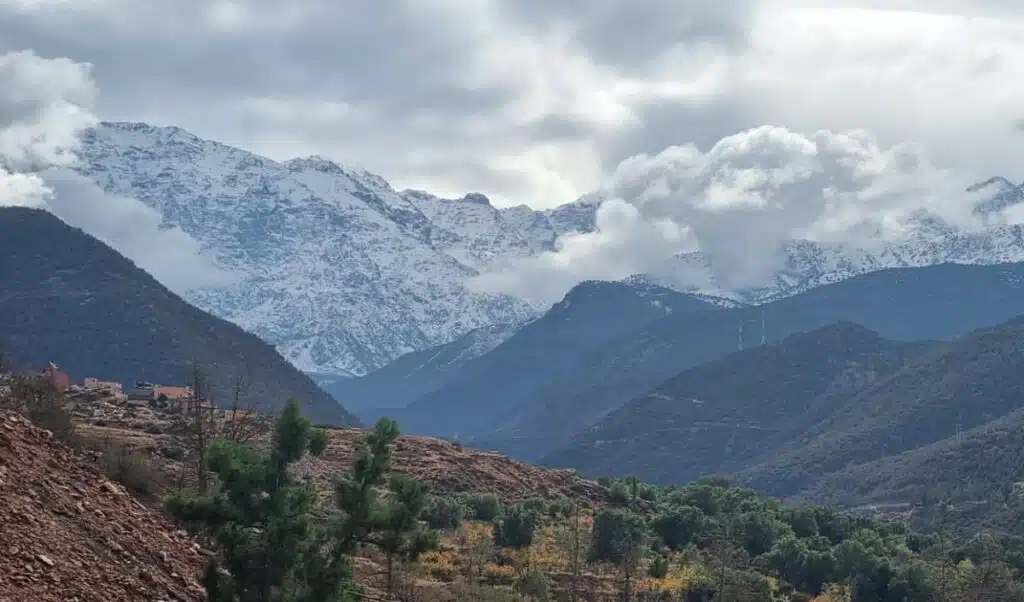
Beyond the coastal plains, Morocco’s mountainous topography will undergo a sharp transition to severe winter conditions. Forecasters anticipate heavy snowfall at altitudes exceeding 1,200 meters, with accumulations expected to reach between 20 and 50 centimeters in the High and Middle Atlas provinces, including Azilal, Midelt, and Ouarzazate. This alpine shift is further exacerbated by an aggressive wind event, with gusts forecast to peak between 75 and 95 kilometers per hour. These gale-force winds will sweep through an extensive corridor from Tangier in the north to the southern provinces of Guelmim and Sidi Ifni, potentially impacting maritime traffic and renewable energy infrastructure.
As the precipitative front subsides toward the end of the weekend, a lingering cold wave is expected to settle over the interior through Sunday. Thermal readings in the Atlas and Rif regions are projected to plummet, with minimum temperatures oscillating between -8 and -3 degrees Celsius in provinces such as Ifrane, Boulemane, and Tinghir. For business leaders and investors, this period of seasonal extremity underscores the importance of infrastructure readiness and the need for robust risk management strategies to mitigate the impact of weather-induced delays on the national economy. Over the coming days, the alignment of public safety measures and private sector preparedness will be paramount in navigating this complex meteorological landscape.
Social