The regional stabilization efforts across Northwestern Morocco reached a pivotal milestone this Monday, February 16, 2026, as public authorities orchestrated a large-scale, phased repatriation of displaced residents. Driven by a significant stabilization in meteorological conditions and the successful completion of critical technical interventions, the provinces of Larache, Kénitra, Sidi Kacem, and Sidi Slimane have transitioned from emergency crisis management to a structured recovery phase. This logistical operation underscores the efficacy of the localized response frameworks, which have prioritized human safety and infrastructural integrity throughout the period of environmental volatility.
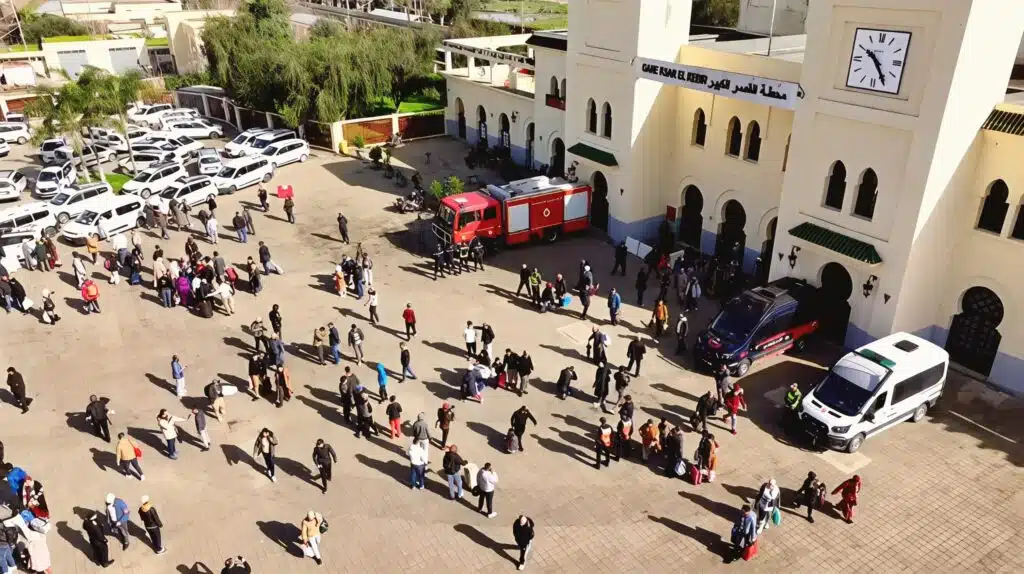
In the city of Ksar El Kébir, the resumption of normalcy is nearly comprehensive. Local authorities have sanctioned the return of inhabitants to the vast majority of urban districts, maintaining restrictions only in select zones where preventative safety audits remain underway. This cautious approach reflects a broader strategic commitment to ensuring that the reoccupation of residential areas does not precede the total restoration of essential services and the mitigation of lingering environmental risks. Public officials have emphasized that the widening of authorized perimeters is a direct result of positive field assessments conducted by technical services, who have worked to ensure a fluid and secure transition for the affected population.
The logistical complexity of this operation is perhaps most evident in the province of Kénitra, where a specialized administrative plan was activated to manage the return of citizens within the Mkarn commune. Effective Monday, a comprehensive list of localities—including Oulad Ahcine, El Kfifat, and the central Mkarn district—reopened to residents. The repatriation also encompasses a significant network of agricultural cooperatives, such as An-Nour, Al-Wifaq, and Al-Youssoufia, alongside various douars including Oulad Azzouz and Al-Bghilia. This granular, site-by-site clearance strategy ensures that the local socioeconomic fabric, heavily dependent on these rural and cooperative clusters, can begin its recovery under supervised conditions.
Simultaneously, the province of Sidi Kacem has initiated the second phase of its strategic return program. This tier of the operation covers a vast geographical expanse, specifically targeting the communes of Khnichat, Toughilt, Nouirate, and El Haouafate. In Khnichat, residents of sixteen douars, including Briouiga and Khnichet Nord, were authorized to regain their domiciles, while similar clearances were issued for clusters such as El Hitoum in Nouirate and an extensive list of twenty-six localities and cooperatives in El Haouafate. The administration has been explicit in its communication that further phases will be contingent upon the continued improvement of ground indicators and the verified stability of local road networks and public infrastructure.
While several provinces continue to manage phased reintegration, Sidi Slimane has announced the total completion of its return operations. Following an initial phase that commenced on Sunday, February 15, the remaining residents of Oulad Ahcine, Aamer Ach-Chamaliya, and Al-Mosaâda successfully returned to their homes this Monday. This conclusion marks a successful end to the displacement cycle in the province, providing a blueprint for the ongoing efforts in neighboring jurisdictions. Across all affected regions, the emphasis remains on high-level coordination and public vigilance, as authorities continue to monitor environmental variables to safeguard the long-term stability of these communities.
Social