Hesai’s push to grab more market share comes just one month after leading U.S. lidar-maker Luminar filed for Chapter 11 bankruptcy. That company is not expected to continue operating once its bankruptcy plan is approved, though it is looking to sell the lidar business.
At the 2026 Consumer Electronics Show in Las Vegas, Hesai told reporters it was able to double the production target because of “accelerating demand” in the automotive and robotics industries.
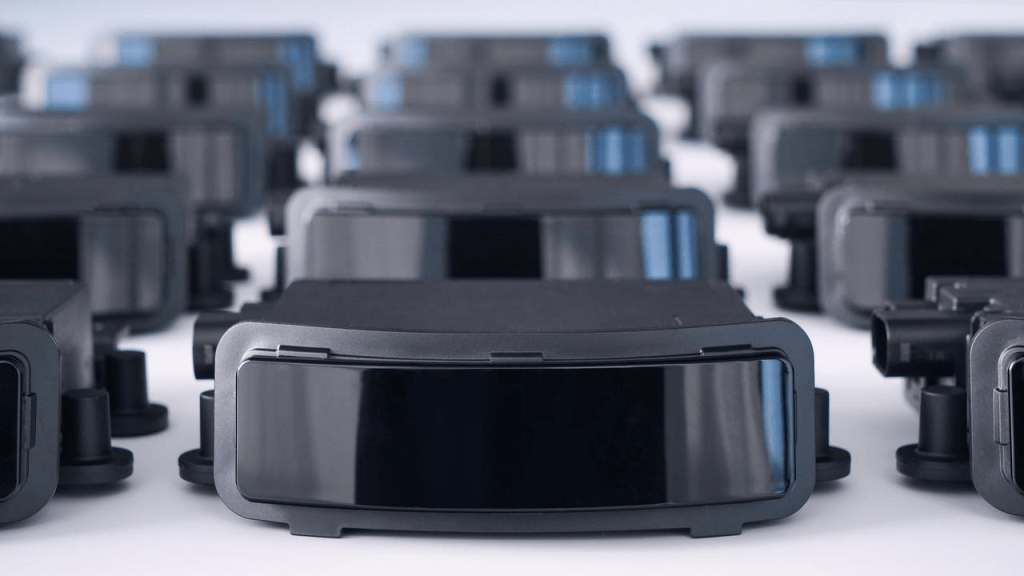
The company’s automotive efforts have been buoyed by the Chinese car market’s adoption of lidar sensors, which Hesai said is now in 25% of new electric cars sold in the country. It also claimed that many new vehicles in China are expected to integrate between three to six lidar sensors per car, “significantly expanding Hesai’s addressable market.” Hesai boasts 24 automotive customers, including a “top European” automaker, and said it has 4 million orders for its newest ATX lidar sensor.
At CES, Hesai is showcasing a robotic lawnmower and a robotic dog that use the company’s JT series lidar sensor. The company also hinted at its inclusion in humanoid robots as well. It has struck deals to provide lidar sensors to autonomous vehicle companies like Pony AI, Motional, WeRide, and Baidu.
Hesai also boasted it has helped drive down the cost of lidar sensors by 99.5% in just eight years. That, too, was a contributing factor to Luminar’s downfall; “pressure to reduce costs due to lower price points of China-based competitors” has been regularly listed in the company’s bankruptcy filings as the second-most important factor that explains why the U.S. company found it so hard to build up a self-sustaining business.
International