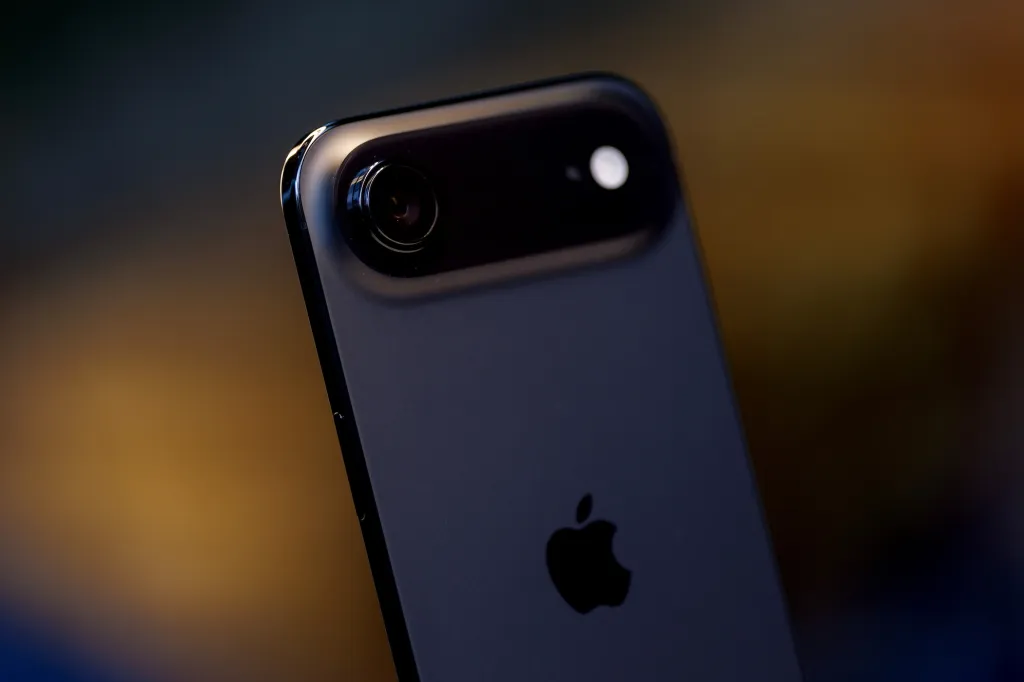
Apple Inc. has long positioned user privacy as a fundamental cornerstone of its brand equity, and its latest technical deployment further reinforces this strategic moat. With the release of iOS 26.3, the Cupertino-based technology giant has introduced a sophisticated security feature designed to obfuscate precise location data at the network level. This update, currently available on a specific tier of hardware including the iPhone Air, the iPhone 16e, and the iPad Pro (M5) Wi-Fi + Cellular, represents a significant shift in how mobile devices interact with global telecommunications infrastructure. By allowing users to restrict the granular location information shared directly with cellular providers, Apple is addressing a long-standing vulnerability that has historically left consumers exposed to surveillance from state actors, law enforcement, and sophisticated cyber adversaries.
While Apple has remained characteristically reticent regarding the specific impetus for this rollout, opting not to comment on the record when reached for clarification, the technical implications are profound. Traditionally, while users could manage location permissions for individual third-party applications, the underlying device-to-carrier communication remained a persistent conduit for high-fidelity tracking. Gary Miller, a distinguished researcher at Citizen Lab and senior director of network intelligence at iVerify, notes that most consumers remain unaware of the extent to which hardware facilitates location disclosure outside the application ecosystem. According to Miller, while devices have successfully limited GPS disclosure to apps for years, they have historically lacked the requisite mechanisms to lock down similar disclosures to the carrier networks themselves. This new functionality bridges that gap, providing a more comprehensive shield against unauthorized geolocation tracking.
The implementation of this feature is notably surgical, ensuring that essential services remain unimpeded. Apple has clarified that the restriction of precise location data to carriers does not degrade the accuracy of data shared with specific applications when authorized by the user, nor does it interfere with the vital transmission of coordinates to first responders during emergency scenarios. This balance reflects a nuanced approach to security architecture, prioritizing user discretion without compromising public safety or functional utility. However, the rollout is currently tethered to a select group of global telecommunications partners. The feature is presently operational on a handful of networks including Telekom in Germany, AIS and True in Thailand, EE and BT in the United Kingdom, and Boost Mobile in the United States, suggesting a phased integration that likely depends on specific carrier-side infrastructure compatibility.
From an analytical perspective, this move signals Apple’s continued effort to decouple the user experience from the data-harvesting capabilities of traditional cellular networks. By granting users the power to limit the precision of the data their devices report back to the network environment, Apple is effectively challenging the status quo of the telecommunications industry. Although the current reach of the feature is limited to a small subset of operators, security experts view it as a pivotal step toward a more private mobile ecosystem. As the landscape of digital privacy continues to evolve under increasing regulatory scrutiny and heightened consumer awareness, such technical safeguards are likely to become a standard requirement for high-end mobile hardware, further distinguishing premium devices in an increasingly data-sensitive global market.
International